3 Best Premium Pineapple Guava Brands for 2026
You’ll get lush silver-green foliage and showy pink-and-white flowers with top pineapple guava brands like Espoma, Fast-Growing Trees, and Brighter Blooms. Each delivers compact, hardy trees bred for beauty and bountiful, sweet-tropical fruit.
You’ll enjoy pet-safe, edible plants ideal for containers or landscapes in zones 8–11. These premium brands back their quality with strong warranties, free replacements, and customer-first policies.
You’ll see how they stand out with consistent fruit size, flavor, and care support. There’s more to discover about what makes them the clear choice.
Quick Overview
- Premium pineapple guava brands prioritize high-quality fruit with sweet, tropical flavor and consistent size.
- Top brands offer disease-resistant, well-branched saplings with dense white root systems for reliable establishment.
- Pineapple guava varieties are selected for productivity, with cross-pollination encouraged for maximum fruit yield.
- Leading brands provide a no-hassle warranty with free replacements for dead-on-arrival or early failure.
- Plants are marketed for both ornamental value and fruit production, suited to containers or landscape use.
6 Pineapple Guava Trees (Feijoa Sellowiana)
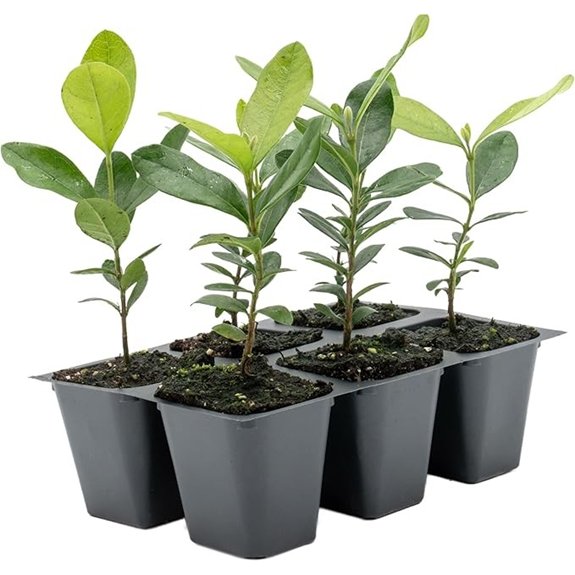
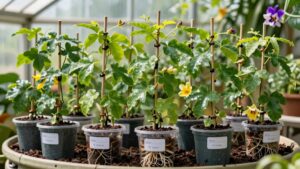
If you’re looking for a low-maintenance, pet-safe tropical plant that pulls double duty as both edible and ornamental, these Pineapple Guava Trees (Feijoa sellowiana) are your go-to. You get six saplings in 2.5-inch nursery cubes, ready to plant and grow.
They thrive in USDA zones 8–11, tolerate drought, and reach about 15 feet if unpruned. You can shape them as shrubs or let them grow into trees.
Their silver-green foliage and showy pink-and-white flowers add tropical charm year-round. You’ll enjoy sweet, tangy fruit and attract pollinators.
They work as hedges, specimens, or container plants. If anything goes wrong, you’re covered with a hassle-free replacement.
Pineapple Guava 3 Live Edible Plants
https://m.media-amazon.com/images/I/81qI5vJVc8L._AC_SX679_.jpg
Choose Pineapple Guava 3 Live Edible Plants from Florida Foliage if you want a low-maintenance, productive shrub that thrives in full sun or partial shade and delivers year-round greenery with seasonal fruit. You’ll get three live Feijoa sellowiana plants that grow well in various soils, including clay, as long as drainage is good.
They need moderate watering and handle heat and drought once established. You’ll enjoy spring blooms with red-and-white flowers that attract pollinators, followed by sweet, tropical fruit.
Use them for hedges, borders, or as standalone features. At 12 inches square and 5 pounds, they’re easy to ship and plant.
With a 3.7-star rating, they’re a solid pick for beginners and pros alike.
Pineapple Guava Tree “
https://m.media-amazon.com/images/I/91zZntcrgRL._AC_SX679_.jpg
You’ll love the Pineapple Guava Tree (Feijoa sellowiana) from Green Bear if you’re a home gardener craving a compact, easy-to-grow fruit tree that delivers tropical flavor in a temperate climate. This 1-gallon potted plant, standing 8–12 inches tall, fits perfectly in small spaces or containers.
Priced competitively, you can submit a lower price via website or store details after signing in. While it ranks #1,756,671 in Patio, Lawn & Garden and #10,254 in Fruit Plants & Seeds, its quality stands out.
Click for warranty info and share the product easily. Green Bear’s Pineapple Guava Tree gives you delicious fruit and hassle-free growth—no fluff, just results.
Factors to Consider When Choosing Premium Pineapple Guava Brands
You want a pineapple guava brand that delivers healthy, vigorous plants ready to thrive in your garden. Look for varieties that match your space, sunlight, and soil while promising strong fruit production and rich flavor.
These factors also determine how well the plant fits into your landscape, whether as a hedge, screen, or fruit-bearing ornamental.
Plant Quality And Health
When selecting a premium pineapple guava brand, start by examining the plant’s root system—look for dense, white, fibrous roots that fill the pot without a foul smell, since healthy roots mean strong establishment and better survival after transplanting. Check the foliage—vibrant, glossy silver-green leaves without yellowing, spots, or drop signal low stress and active photosynthesis.
Avoid any plant showing wilted stems, soft brown roots, or blackened root collars, as these suggest root rot or overwatering, which sharply reduce viability. Inspect for pests and diseases: skip plants with scale, mites, aphids, or fungal lesions, since early infestations spread fast and weaken growth.
Choose well-branched saplings with visible buds or short shoots—you’ll get faster flowering and fruiting. A premium plant should look lively and sturdy, not stressed or sparse.
You want strong genetics and care showing in every part, from root to crown—because top-tier quality now means better harvests later.
Growth Potential And Size
A healthy root system and vibrant foliage set the stage, but understanding a plant’s growth potential guarantees it fits your space and goals. You’ll want to pick varieties that match your layout, since pineapple guava typically reaches 10–15 feet tall and wide without pruning.
If you’re growing in a pot or tight spot, you can keep it to 3–6 feet with trimming. These plants grow about 1–2 feet per year, so patience is needed before full fruiting or screening.
Since fruit forms on 1–2 year-old wood, compact or moderate-growing types make harvesting way easier. Their root systems spread shallow, so give them room and avoid heavy competition from nearby plants.
When choosing a premium brand, check if the cultivar’s natural size aligns with your long-term plan—whether for a patio centerpiece, hedge, or backyard tree.
Sunlight And Soil Needs
Though it thrives in the right spot, your pineapple guava still demands careful attention to light and soil. You’ll need at least 6 hours of direct sun daily—full sun is best, but partial shade works if light is reliable.
Without enough sunlight, flowering and fruiting drop off fast. Plant in well-drained soil with a pH between 6.0 and 7.5; sandy or clay soils are fine as long as water doesn’t pool.
You must avoid soggy roots—overwatering or poor drainage leads to root rot. Water regularly during establishment and dry spells, but let the soil dry slightly between sessions.
Choose a spot with good air flow and morning sun to cut down on fungal issues. In cooler zones, tuck your plant near a south- or west-facing wall.
That extra warmth boosts ripening and shields blooms from late frosts, giving you stronger performance all season.
Fruit Production And Flavor
If you want top-tier fruit production and flavor from your pineapple guava, start by selecting premium cultivars known for reliable yield and rich taste. You’ll get bigger crops when you plant multiple compatible varieties—better pollination means several pounds of fruit per mature tree.
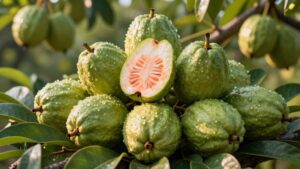
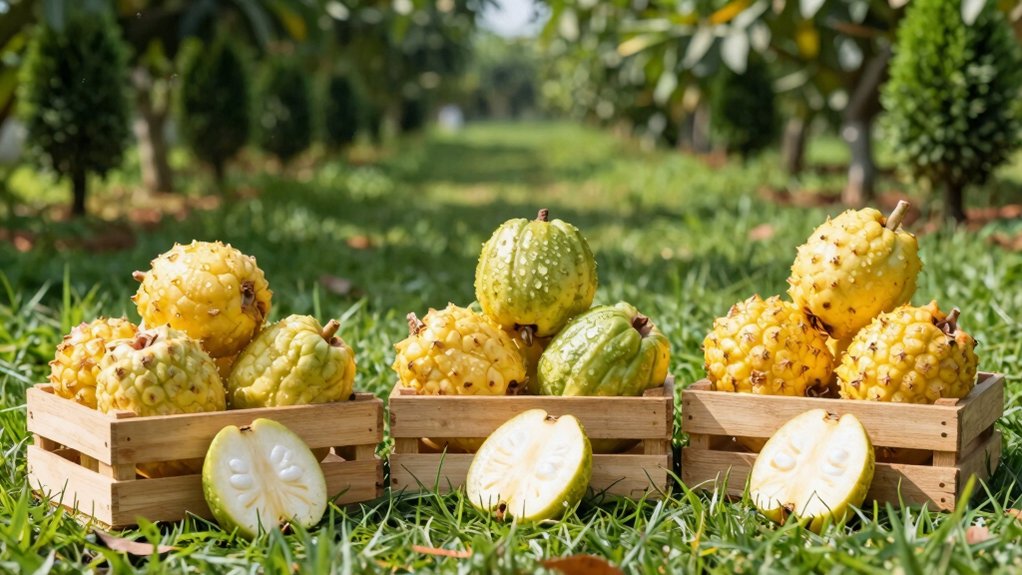
Look for selections that deliver the flavor you love, whether that’s sweet-tropical or tart-aromatic, with notes of pineapple, guava, pear, or flower. Top cultivars give you larger fruit (1.5–3 oz), creamy pulp, and almost no grit.
Let fruit ripen fully on the tree for peak sugar, acidity, and aroma. And don’t overlook care: consistent water, balanced feeding, and light pruning boost flavor and size.
You’ve got control—use it to grow fruit that truly stands out.
Landscape Versatility And Use
Since you’re looking for a plant that pulls double duty, pineapple guava delivers with its striking silver-green foliage and flexible form, thriving as a neatly trimmed hedge, a sculpted tree, or a loose screen. You can prune it tight for a formal look or let it grow naturally for a relaxed, wilder vibe.
It handles drought well once established, so you won’t need to baby it in dry gardens or on sunny patios. You’ll save water and space since it grows fine in containers, even on rooftops.
It adapts to clay, sand, or loam as long as drainage’s decent, and handles full sun or light shade. Come spring, you’ll get flashy blooms that pollinators love, plus fruit you can actually eat.
Whether you want privacy, beauty, or food, you’re covering all bases with just one plant.
Warranty And Replacement Policy
You get both beauty and function from a pineapple guava plant—whether shaping it as a tidy hedge or letting it grow wild for a natural screen, it’s a reliable performer. But even reliable plants can run into trouble, so check the warranty carefully.
Make sure it covers dead-on-arrival or early establishment loss—look for 30 to 90 days of protection. Confirm if replacements ship free and whether you’ll need to return the plant or just send photos.
Watch for exclusions like improper planting, wrong climate zones, or skipped watering. Check what counts as a valid claim: documentation, reporting deadlines, and response times.
Pick brands with clear, written policies that promise timely replacements with the same size and variety. Avoid vague guarantees—your best bet is a no-hassle policy with at least one free replacement per order.
Frequently Asked Questions
Can Pineapple Guava Survive Cold Winters?
Yes, you can grow pineapple guava through cold winters—it handles frost down to around 15°F. You’ll need to mulch well and shield it from harsh winds to keep it thriving when temperatures drop.
How Long Until Pineapple Guava Trees Bear Fruit?
You’ll wait 2–3 years before your pineapple guava bursts with fruit—patience pays. Tiny flowers bloom spring to summer, then vanish, leaving behind mysterious swelling orbs.
Watch closely; by fall, they’re ready, sweet, tangy, and all yours to pick and savor.
Are Pineapple Guava Seeds Edible?
Yes, you can eat pineapple guava seeds—they’re safe and packed in the fruit’s juicy flesh. You’ll usually swallow them without noticing, though they’re slightly crunchy.
Just chew and enjoy the sweet, tangy flavor without worry.
Do Pineapple Guava Trees Need Pollinators?
Yes, you’ll need pollinators—bees dance like nature’s matchmakers, flitting between blooms. Without them, your tree’s dreams of fruit go unfulfilled.
Invite winged helpers, and you’ll harvest sweetness born from their tireless tango.
Is Pineapple Guava Safe for Pets?
Yes, pineapple guava is safe for pets. You can let your dog or cat nibble the fruit, but skip the stems and leaves.
Too much might upset their stomach, so just offer a small taste as an occasional treat.
Conclusion
You’ve seen the top picks, but aren’t you ready to taste that sweet, tangy burst only a premium pineapple guava can offer? Choosing the right brand means better flavor, healthier plants, and more fruit for your garden.
With factors like plant age, grower reputation, and organic practices in play, you’re not just buying a tree—you’re investing in future harvests. Why settle for less when the best can thrive in your backyard?