9 Best Sugar Apples for 2026 (Sweet, Creamy, and Irresistible)

You’ll love growing sweet, creamy sugar apples in 2026 with top picks like Thai and Red varieties, plus compact trees perfect for containers. Choose fast-fruiting live plants or try seeds with high germination tips.
These tropical delights thrive in full sun and well-drained soil, rewarding you with custard-like fruit in just a few seasons. Hand-pollinate flowers to boost harvests and enjoy creamy bites fresh or frozen—discover which variety matches your space and taste.
Quick Overview
- Sugar apple varieties like Thai and ‘Na Dai’ offer sweet, creamy flesh with tropical flavor ideal for fresh eating and desserts.
- Live trees in 5-gallon pots provide faster fruiting in 2–3 years compared to seed-grown plants.
- Dwarf and container-friendly sugar apple trees thrive on patios, suitable for small spaces and controlled growing.
- Hand-pollination boosts fruit set in home gardens where natural pollinators may be limited.
- Seeds require warm soil (above 70°F), scarification, and patience—germination can take over 30 days.
| Sugar Apple Seeds (20+) – Annona Squamosa |  | Best Seed Value | Type: Seeds only | Sun Exposure: Full sun | Quantity: 20+ seeds | VIEW LATEST PRICE | Read Our Analysis |
| Sugar Apple Live Fruit Tree Tropical Plantae | Fast-Growing Live Tree | Type: Live fruit tree | Sun Exposure: Full sun | Quantity: 1 plant | VIEW LATEST PRICE | Read Our Analysis | |
| 25 Sugar Apple Seeds (Annona squamosa) |  | Premium Seed Variety | Type: Seeds only | Sun Exposure: Full sun | Quantity: 25 seeds | VIEW LATEST PRICE | Read Our Analysis |
| Sweet Sugar Apple Plant Live Potted | 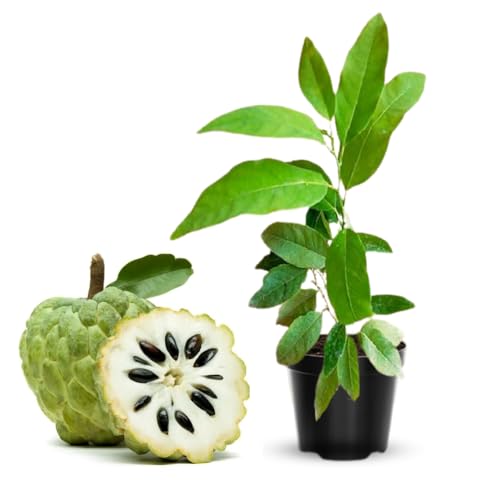 | Early Fruit Producer | Type: Live potted plant | Sun Exposure: Full sun | Quantity: 1 plant | VIEW LATEST PRICE | Read Our Analysis |
| 15 Sugar Apple Tree Seeds (Not for CA) | Compact Home Grower | Type: Seeds only | Sun Exposure: Full sun | Quantity: 15 seeds | VIEW LATEST PRICE | Read Our Analysis | |
| Sugar Apple Tree Live Plant (5 Gallon) |  | Mature Tree Ready to Fruit | Type: Live mature tree | Sun Exposure: Full sun | Quantity: 1 tree | VIEW LATEST PRICE | Read Our Analysis |
| Red Sugar Apple Tree Live Seedling |  | Rare Tropical Specimen | Type: Live seedling | Sun Exposure: Full sun to partial shade | Quantity: 1 seedling | VIEW LATEST PRICE | Read Our Analysis |
| Fruit Seeds for Planting – Garden Fruit Seeds (Sugar Apple – 5 Seeds) |  | Minimal Seed Option | Type: Seeds only | Sun Exposure: Full sun | Quantity: 5 seeds | VIEW LATEST PRICE | Read Our Analysis |
| Nectar Freeze-Dried Custard Apple Cubes (2-Pack) |  | Ready-to-Use Snack Option | Type: Freeze-dried fruit cubes | Sun Exposure: Not applicable | Quantity: 2 pouches (0.7 oz each) | VIEW LATEST PRICE | Read Our Analysis |
More Details on Our Top Picks
Sugar Apple Seeds (20+) – Annona Squamosa
If you’re looking to grow your own tropical fruit at home, these 20+ Sugar Apple seeds (Annona squamosa) are your best bet for a fresh start in 2026. You’ll get a 20+ seed pack from Alexi, lightweight and compact, arriving in a 2.32 x 1.54 x 0.39-inch package.
Just plant them in full sun with moderate water and expect blooms come spring. Hardy to zone 3, they adapt well.
You can grow Thai Sugar Apple or Sweetsop varieties—same species, sweet rewards. It’s easy to start, and customer feedback helps keep prices fair.
Sign in to report lower prices if needed. With consistent care, you’ll enjoy creamy, sweet fruit right from your own tree—no grocery run required.- Type:Seeds only
- Sun Exposure:Full sun
- Quantity:20+ seeds
- USDA Hardiness Zone:Zone 3
- Growth Stage:Seeds
- Moisture Needs:Moderate watering
- Additional Feature:20+ seeds per pack
- Additional Feature:Thai Sugar Apple variety
- Additional Feature:Spring blooming period
Sugar Apple Live Fruit Tree Tropical Plantae
You’ll get the most from the Sugar Apple Live Fruit Tree (Annona squamosa) if you’re a home gardener in a warm climate who wants a low-maintenance, productive tropical tree. You’ll plant it in full sun with well-drained, peat-rich soil and water it regularly.
You’ll see fragrant greenish-yellow flowers in spring and summer, and with a little hand-pollination, you’ll boost fruit set. You’ll harvest knobby, sweet fruits that ripen from late summer to fall.
You’ll protect it from frost, but otherwise, it’s drought-tolerant and pet-friendly. This organic, 1-foot-tall tree from TropicalPlantae arrives ready to grow, needs no assembly, and reaches up to 12 feet tall.- Type:Live fruit tree
- Sun Exposure:Full sun
- Quantity:1 plant
- USDA Hardiness Zone:Zones 9–11
- Growth Stage:Young tree
- Moisture Needs:Regular watering
- Additional Feature:12-foot mature height
- Additional Feature:Fragrant greenish-yellow flowers
- Additional Feature:High success growing rate
25 Sugar Apple Seeds (Annona squamosa)
Grab 25 Sugar Apple Seeds (Annona squamosa) ‘Na Dai’ from PeavyTailor if you’re keen to grow a sweet, tropical fruit tree that thrives in containers or landscapes. You’ll get chewy, sweet fruit from a compact 10–20 foot tree with slender leaves and deer-resistant traits.
Soak seeds in water for three days, snip or scarify them, then plant 3/4 inch deep in moist mix. Keep soil warm above 70°F—germination takes 30 days or longer.
Don’t overwater; rot kills. Use a heated propagator if needed.
Grow outdoors in full sun, spring through fall. Check online for care tips.
These non-GMO seeds work in patios, porches, or landscapes.- Type:Seeds only
- Sun Exposure:Full sun
- Quantity:25 seeds
- USDA Hardiness Zone:Not specified
- Growth Stage:Seeds
- Moisture Needs:Evenly moist (avoid overwatering)
- Additional Feature:‘Na Dai’ commercial variety
- Additional Feature:Scarification speeds germination
- Additional Feature:Deer resistant landscape use
Sweet Sugar Apple Plant Live Potted
The Sweet Sugar Apple Plant Live Potted is ideal for gardeners in USDA zones 9–11 who want a fast-growing, fruit-bearing tree with harvests starting in just 2–3 years. You’ll receive a 9-month-old, well-rooted plant 7–12 inches tall in a 3-inch pot.
It reaches 10–15 feet in the ground but stays smaller in containers, making it perfect for patios or small yards. Just give it sun and well-drained soil.
Packed in a 5 x 7 x 8-inch box, it ships ready to grow. Sold by HILROQG (ASIN: B0FCWNGRHD), it ranks #4,449 in Fruit Plants & Seeds.
Check warranty details online and report lower prices if you find them.- Type:Live potted plant
- Sun Exposure:Full sun
- Quantity:1 plant
- USDA Hardiness Zone:Zones 9–11
- Growth Stage:9-month-old plant
- Moisture Needs:Not specified
- Additional Feature:9 months old at sale
- Additional Feature:Fruiting in 2–3 years
- Additional Feature:Fast-growing potted plant
15 Sugar Apple Tree Seeds (Not for CA)
Fifteen sugar apple tree seeds from YOKEBOM suit gardeners outside California who want to grow sweet, tropical fruit right in their backyard. You’ll plant Annona squamosa seeds in spring to fall, in full sun and well-drained soil.
Water them regularly, and you could see blooms year-round. These 15 large seeds give you a shot at homegrown, creamy sweetness.
Just note—YOKEBOM doesn’t ship this pack to CA. The seeds rank #2,642 in fruit plants and boast a perfect 5-star review.
You can check warranty details on the product page. Found a lower price?
You can submit it—just sign in and share the link, price, and store info.- Type:Seeds only
- Sun Exposure:Full sun
- Quantity:15 seeds
- USDA Hardiness Zone:Not specified
- Growth Stage:Seeds
- Moisture Needs:Regular watering
- Additional Feature:Year-round blooming potential
- Additional Feature:Large fruit seeds
- Additional Feature:Ships spring to fall
Sugar Apple Tree Live Plant (5 Gallon)
You want a head start on harvesting sweet, creamy sugar apples by 2026—this 5-year-old Annona squamosa tree in a 5-gallon pot gets you there faster than starting from seed. At 4–5 feet tall, it’s mature and ready to fruit, flaunting glossy green leaves and a strong root system for easy transplanting.
Just plant it in full sun in USDA Zones 9–11, and you’ll enjoy fragrant, custard-like fruit in no time. It’s perfect for tropical landscapes, patios, or gardens.
Packed in one piece with dimensions of 36 x 5 x 48 inches, this DMOH-branded live plant ships ready to thrive. Skip the wait—this is your fastest route to homegrown sugar apples by 2026.- Type:Live mature tree
- Sun Exposure:Full sun
- Quantity:1 tree
- USDA Hardiness Zone:Zones 9–11
- Growth Stage:5-year-old mature tree
- Moisture Needs:Moderate watering
- Additional Feature:5-year-old mature tree
- Additional Feature:4–5 feet tall
- Additional Feature:Ready to fruit now
Red Sugar Apple Tree Live Seedling
Grow a rare tropical treasure with the Red Sugar Apple Tree live seedling—perfect for home gardeners in warm climates who want a fast-growing, fruit-bearing plant with striking red-pink fruit and lush green foliage. You’ll get an 8–12 inch seedling, shipped from Puerto Rico, ready to thrive in USDA zones 9–11.
Plant it in spring to early summer in well-draining soil, keep it in full sun to partial shade, and water moderately. It handles containers or in-ground planting, reaching 3–7 feet.
Feed monthly during growing season. Though it has a low customer rating now, proper care boosts your odds.
Fruiting starts in spring—just be patient and stay consistent.- Type:Live seedling
- Sun Exposure:Full sun to partial shade
- Quantity:1 seedling
- USDA Hardiness Zone:Zones 9–11
- Growth Stage:8–12 inch seedling
- Moisture Needs:Moderate watering
- Additional Feature:Red-pink fruit exterior
- Additional Feature:Grown from Puerto Rico stock
- Additional Feature:Suitable for container growing
Fruit Seeds for Planting – Garden Fruit Seeds (Sugar Apple – 5 Seeds)
Perfect for gardeners chasing a tropical twist in moderate climates, these Sugar Apple seeds thrive in full sun and are dead easy to start in USDA Zone 3 with just moderate watering. You’ll get five viable seeds from CZ Grain, perfect for planting in your yard, garden, or even as bonsai.
Each seed is ready to sprout into a lush, fruit-bearing tree. At just 1 inch cubed, the pack fits anywhere, yet ranks #146 in Fruit Plants & Seeds and #49,810 in Patio, Lawn & Garden.
With 111 reviews averaging 3.2 stars, they’re a trusted pick. You can report a lower price if you find a better deal—just submit the details online or in-store.- Type:Seeds only
- Sun Exposure:Full sun
- Quantity:5 seeds
- USDA Hardiness Zone:Zone 3
- Growth Stage:Seeds
- Moisture Needs:Moderate watering
- Additional Feature:5 seeds per pack
- Additional Feature:Ideal for bonsai
- Additional Feature:Top 50k in gardening
Nectar Freeze-Dried Custard Apple Cubes (2-Pack)
Packed with intense tropical flavor and zero added sugar, Nectar Freeze-Dried Custard Apple Cubes (2-Pack) are a game-changer for health-conscious snackers and food innovators alike. You get two 0.7 oz pouches of 100% real custard apple—no preservatives, no additives, just pure fruit.
These vegan, gluten-free cubes are ready to eat straight from the pack or perfect for boosting smoothies, salads, or desserts. Sourced from premium Indian fruit, they’re lightweight, shelf-stable, and ideal for camping or parties.
You won’t believe how easy it is to enjoy rich, creamy flavor anywhere—no prep needed. Just open and savor the taste of real sugar apple, locked in through freeze-drying.- Type:Freeze-dried fruit cubes
- Sun Exposure:Not applicable
- Quantity:2 pouches (0.7 oz each)
- USDA Hardiness Zone:Not applicable
- Growth Stage:Harvested fruit (processed)
- Moisture Needs:Not applicable
- Additional Feature:No sugar added
- Additional Feature:Ready-to-eat fruit cubes
- Additional Feature:Mix into smoothies or desserts
Factors to Consider When Choosing Sugar Apples
You’ll want to pick the right type of plant material and check the plant’s age and size before buying. Make sure it’s compatible with your growing zone and that you can meet its sunlight and placement needs.
Don’t overlook soil quality and water requirements—they’re key to keeping your sugar apple healthy.
Type Of Plant Material
Start by deciding what type of plant material works best for your sugar apple growing goals. If you want faster results, go with seedlings or grafted plants—they usually fruit much sooner than seeds.
Grafted plants also keep the parent’s fruit quality and size, so you know what you’ll get. Seeds are cheaper and easier to ship, but they take months to sprout and years to bear fruit, with unpredictable results.
For container growing, pick dwarf varieties or young plants suited for pots, since full-size trees can reach 10–20 feet. Larger potted plants cost more but come with stronger roots and faster establishment.
Watch for local rules—sometimes seeds are allowed when live plants aren’t, but always check quarantine laws. Think about your space, timeline, and patience before choosing.
Plant Age And Size
Choosing the right plant material sets the stage, but now it’s time to focus on age and size—two factors that directly shape how soon you’ll harvest your first sugar apples. If you’re patient, start with a young seedling or 3–12 month sapling—they’re cheaper and adapt faster but take 2–5 years to fruit.
Want quicker results? Go for a 3–5+ year old tree or multi-gallon specimen; these often fruit sooner thanks to established roots.
Smaller plants in 3″ pots suit containers or indoor starts, while larger ones need in-ground space and staking. Check root development—pot-bound or circling roots mean trouble.
Also, pick plants with a straight central leader and no yellowing leaves. Skimp on size or skip inspection, and you’ll delay growth.
Choose wisely, and you’ll be savoring sweet, creamy sugar apples before you know it.
Growing Zone Compatibility
Though sugar apples thrive best in warm climates, your location doesn’t have to rule them out. If you’re in USDA zones 9–11, you can grow them outdoors reliably.
They’re frost-sensitive, so even a light freeze can damage or kill them. If you live below zone 9, don’t give up—just grow in large containers.
You can bring potted trees indoors before cold hits and keep them above 60°F. In colder zones, like zone 3 and up, start seeds indoors and use grow lights.
Choose sheltered spots near south-facing walls if planting outside in marginal zones. Frost cloths help extend their survival during chill snaps.
Growth will be slower and fruiting delayed or lighter than in tropical areas, but with smart planning, you’ll still enjoy sweet, creamy apples. You’ve got options no matter your zone.
Sunlight And Placement Needs
When you want your sugar apple tree to thrive, sunlight is non-negotiable—give it at least 6 to 8 hours of direct sun daily for strong growth and maximum fruit production. If you’re in a hot climate, place your tree where it gets morning sun and afternoon shade to prevent leaf scorch and heat stress.
For container-growing, keep it in the sunniest spot—like a south- or west-facing area—and rotate the pot every few weeks for even growth. Just planted or still a seedling?
Give it filtered light or light shade the first few weeks to reduce shock while roots take hold. Don’t tuck it under tall trees or next to buildings that cast shade; low light means fewer flowers and weak fruit development.
You want full, unobstructed sun—anything less cuts your harvest. Position smart, and you’ll taste the difference.
Soil And Water Requirements
Now that your sugar apple tree is soaking up the right amount of sunlight, it’s time to focus on the foundation it grows in—soil and water make or break your tree’s success. Choose well-draining sandy loam to loamy soil; heavy clay holds too much water and risks root rot.
Aim for a slightly acidic to neutral pH (5.5–7.0) for peak growth. Keep soil consistently moist but never soggy—especially when young.
Water deeply once or twice weekly during establishment and fruiting, letting moisture reach the root zone. Avoid frequent shallow sprinkles.
Apply 2–4 inches of mulch around the base (but not touching the trunk) to lock in moisture and cool roots. Established trees handle short dry spells, but don’t let them sit in saturated soil.
Good drainage beats rich soil—your sugar apple thrives with steady water and air at the roots, not heavy feeding.
Fruit Quality And Yield
If you want high-quality fruit and strong yields, pick sugar apple varieties bred for high fruit set and large, meaty flesh—these traits boost both quality and production right from the start. You’ll get bigger fruits and more flesh per fruit, especially with commercial types that can produce sizable yields on mature trees up to 10–20 feet tall.
For best results, assist pollination—hand-pollinate or attract pollinators to improve fruit size, uniformity, and numbers. Choose cultivars with staggered or extended flowering if you want a longer harvest season, since sugar apples take months to ripen.
Expect fruit in 2–5 years with well-established young trees, but plan for peak yields from mature, healthy trees. You’ll also maximize sweetness and texture when you grow your trees in full sun, well-drained soil, with moderate, consistent watering and frost protection.
Special Features And Uses
Look beyond the harvest and you’ll find sugar apples shine in both kitchen and landscape. You’ll love their creamy flesh for eating fresh or blending into smoothies, ice cream, and baked goods—it’s naturally sweet and custard-like.
Soft, ripe flesh is perfect for purees, while firmer, less seedy types hold up well in desserts and slices. If you’re into preserving, try freeze-drying or dehydrating; it keeps flavor locked in for smoothie mixes or trail snacks.
Outside the kitchen, the tree’s knobby fruit and lush foliage make it a standout ornamental in tropical and subtropical yards, even in containers. Its small, fragrant flowers attract bees, and when needed, you can hand-pollinate to boost fruit set.
Choosing the right variety gives you more than just taste—it shapes how you use and enjoy your sugar apples every day.
Shipping And Availability Restrictions
Since shipping live sugar apple plants comes with restrictions, you’ll need to check your region’s agricultural rules before placing an order—many areas block imports due to pest risks or quarantine policies. You’ll often see seeds or plants labeled “no ship to [state/country]” because of disease concerns.
If shipping is allowed, expect extra costs—proper packaging, phytosanitary certificates, and temperature-controlled transit are usually required. You can’t ship cold-sensitive sugar apple seedlings in winter to cooler zones; sellers may delay until planting season.
Availability isn’t steady year-round, so you’ll find the widest selection of seeds and young plants in spring. Mature, fruit-bearing trees are rare online and often need local pickup.
Don’t assume you can get your favorite variety shipped—always confirm logistics first to avoid delays, extra fees, or surprise denials at the border. Be proactive, or you’ll risk wasted time and money.
Frequently Asked Questions
How Do I Know When Sugar Apples Are Ripe?
You know sugar apples are ripe when they give slightly under gentle pressure and feel soft like a ripe avocado. The skin turns a pale green or yellowish hue, and segments may start to crack—grab one then; it’s sweet, creamy, and ready to eat.
Can Sugar Apples Grow in Containers Indoors?
You can grow sugar apples in containers indoors, yet they crave sunlight like deserts crave rain. You’ll need a sunny spot, well-draining soil, and patience—dwarf varieties work best, but even then, expect a challenging, slow reward unlike outdoor ease.
Are Sugar Apple Seeds Safe to Eat?
No, you shouldn’t eat sugar apple seeds—they’re toxic when crushed or chewed. They contain cyanogenic compounds that can release cyanide.
Just enjoy the sweet flesh and spit out the seeds to stay safe. Never grind or chew them.
What Pests Commonly Affect Sugar Apple Trees?
You’ll battle scale insects one day and celebrate fruit set the next; aphids and mealybugs suck sap, while spider mites dry leaves—you stay alert, prune clean, and keep ants from farming pests near tender new growth.
How Long Does It Take for a Sugar Apple Tree to Bear Fruit?
You’ll see fruit in 2 to 3 years if you grow from grafted saplings. Seed-grown trees take longer—5 to 8 years—so you’re better off starting with grafted ones.
Keep pests off, give it sun, and water regularly for best results.
Conclusion
You’ve tasted the sweet, the creamy, the unforgettable. But which sugar apple will claim the top spot in 2026?
The answer hides in your next bite—hidden sweetness, a burst of tropical mystery waiting to unfold. One variety could redefine your idea of flavor.
The countdown begins with your first slice. Will you discover the ultimate sugar apple?
The clock’s ticking. The taste?
Just a moment away.