
3 Best Value Canned Ackees for 2026 (Budget-Friendly Picks)
You’ll love Linstead Market’s 19oz ackee for its fluffy, egg-like texture and rich buttery taste—perfect for quick sautés. Spur Tree’s canned Jamaican ackee delivers sweet, tangy flavor at a wallet-friendly price, while Grace’s 2-pack offers creamy, nutty chunks from trusted heritage farms.
All three give you authentic taste, solid texture, and smart value without draining your budget. See how they stack up on taste, prep ease, and cost per serving to find your best match. Want the complete lineup, budget picks included? Check our guide to the best canned ackees.
Quick Overview
- Spur Tree Jamaican Ackee offers the best value with its low price, authentic flavor, and vegan-friendly, ready-to-use convenience.
- Grace Ackee 2 Pack reduces cost-per-ounce significantly, especially for frequent users seeking heritage brand quality.
- Linstead Market Ackee delivers premium texture and taste but at a higher price point, limiting budget appeal.
- Drained weight and liquid ratio are critical for accurate cost-per-ounce comparisons across canned ackee brands.
- Opt for multipacks with BPA-free, easy-open cans to maximize shelf life, convenience, and long-term savings.
| Linstead Market Ackee 19oz | 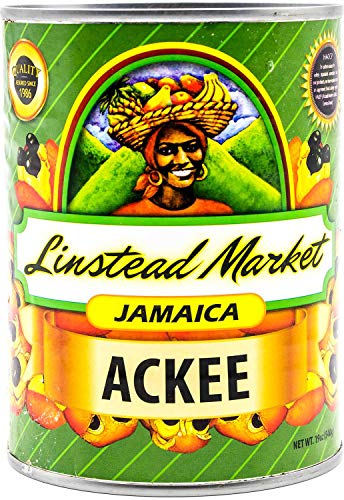 | Cultural Favorite | Weight: 19 oz | Origin: Jamaica | Form: Canned | VIEW LATEST PRICE | Read Our Analysis |
| Spur Tree Jamaican Ackee in a Can |  | Best for Convenience | Weight: Not specified | Origin: Jamaica | Form: Canned | VIEW LATEST PRICE | Read Our Analysis |
| Grace Ackee 19oz – 2 Pack |  | Heritage Pick | Weight: 19 oz | Origin: Jamaica | Form: Canned | VIEW LATEST PRICE | Read Our Analysis |
More Details on Our Top Picks
Linstead Market Ackee 19oz
Craving authentic Jamaican flavor with zero hassle? Grab Linstead Market Ackee, 19 oz, and you’re halfway to a traditional breakfast.
You drain the brine, toss it in the pan, and it cooks up like fluffy scrambled eggs with a mild, buttery richness. Paired with saltfish, it’s the island classic you’ve tasted in your mind a hundred times.
Originally from West Africa, this vibrant fruit delivers a subtle, layered flavor even vegetarians love. Trusted by Jamaican athletes and music legends, Linstead brings the culture straight to your kitchen—no prep stress, just real taste, every time.- Weight:19 oz
- Origin:Jamaica
- Form:Canned
- Cuisine:Jamaican
- Dietary Suitability:Vegan-friendly (meat substitute)
- Primary Use:Cooking ingredient
- Additional Feature:Favored by Jamaican legends
- Additional Feature:Paired with saltfish tradition
- Additional Feature:Evokes authentic cultural vibe
Spur Tree Jamaican Ackee in a Can
If you’re looking to bring authentic Caribbean flavor into your kitchen with zero hassle, Spur Tree Jamaican Ackee in a Can is your go-to choice—perfect for busy home cooks and culinary adventurers alike. You get a sweet, tangy taste that delivers a delicate tropical sensation with every bite.
This vegan-friendly canned ackee is ready to use, making it ideal for quick breakfasts, savory dishes, or even a unique snack. As the national fruit of Jamaica, it brings genuine island flair to your table.
You’ll love how easily it elevates meals while staying budget-friendly. Spur Tree keeps authenticity intact, so you’re not just cooking—you’re experiencing Jamaica.- Weight:Not specified
- Origin:Jamaica
- Form:Canned
- Cuisine:Jamaican
- Dietary Suitability:Vegan-friendly
- Primary Use:Cooking ingredient
- Additional Feature:Taste-tingling tropical sensation
- Additional Feature:Ready-to-use convenience
- Additional Feature:Exotic flavor enhancer
Grace Ackee 19oz – 2 Pack
You’re holding the key to authentic Jamaican flavor with Grace Ackee 19oz – 2 Pack, the top choice for home cooks and culinary enthusiasts who demand tradition, quality, and convenience. You’ll love its creamy texture and delicate, nutty taste that elevates dishes like Ackee & Saltfish or callaloo.
Sourced from handpicked Jamaican farms and crafted by Grace Foods—a brand rooted in over 100 years of heritage—every can delivers rich, authentic flavor. You can use it in patties, cornbread, quiches, or even fruit cakes.
It’s a pantry staple trusted by generations, offering real value without sacrificing quality. You’re not just cooking—you’re carrying on a legacy.- Weight:19 oz
- Origin:Jamaica
- Form:Canned
- Cuisine:Jamaican
- Dietary Suitability:Vegan-friendly
- Primary Use:Cooking ingredient
- Additional Feature:Handpicked by local farmers
- Additional Feature:100-year heritage brand
- Additional Feature:Versatile in baked creations
Factors to Consider When Choosing Value Canned Ackees
You want canned ackees that taste fresh and have a firm, creamy texture without falling apart. Think about where they’re from, who made them, and whether the packaging makes them easy to use in your meals.
These factors—flavor, origin, convenience, trust, and versatility—add up to real value.
Flavor And Texture
Though flavor and texture vary by processing, the best canned ackee delivers a creamy, buttery interior with a slightly layered, flaky consistency that holds its shape when cooked. You want tender chunks that separate easily but don’t turn mushy.
Look for pieces with a mild, nutty-sweet taste and subtle savory notes—avoid any metallic, fishy, or overly briny flavors. If the liquid smells too salty or strong, it’ll overpower the ackee’s delicate profile.
Less-processed options often keep a firmer, egg-like flake, while heavily processed ones lean softer. You’ll prefer large lobes that stay distinct, giving your dishes better mouthfeel and visual appeal.
When heated, they should blend into stews or fry-ups without dissolving. Skip cans where the ackee collapses into puree.
Your best bet balances richness and structure, giving you authentic texture without sacrificing flavor.
Origin And Authenticity
When it comes to canned ackee, where it’s grown and how it’s labeled makes all the difference. You want ackee harvested in Jamaica or West Africa, where traditional methods guarantee proper ripeness and flavor.
Always check the label for the country of harvest and packing—specific sourcing means authenticity. Look for “atemoya/Blighia sapida” or just “ackee” in the ingredients, and avoid vague terms like “imported tropical fruit,” which might mask substitutes.
Real quality brands include farmer or producer details to back up their claims. Skip cans without clear origin info—those often cut corners.
Certification seals from regional agricultural boards or export authorities add trust, confirming the supply chain. Lot numbers and packing dates help you trace the product straight back to the source.
You’re not just buying fruit—you’re choosing safety, taste, and tradition. Smart sourcing means you get real ackee without surprises.
Packaging And Convenience
A clear origin tells you what’s inside the can, but the packaging determines how easily you can use it. Go for cans with an easy-open pull tab or resealable lids so you don’t need extra tools and can save leftovers without hassle.
Check the net weight and pack count—most single cans are 15–19 oz, so pick a size that fits your recipes and storage space. Always look for “drained weight” or liquid-to-ackee ratios to know how much real fruit you’re getting.
Choose BPA-free linings and make sure the seal is intact and dent-free to keep spoilage at bay and shelf life long. If you cook with ackee often, buy multipacks or larger cans.
They cut your cost per ounce and mean fewer trips to the store. Smart packaging saves time, money, and waste.
Brand Heritage And Trust
Dig into a brand’s heritage to see if it stands the test of time, because a long-standing name often means they’ve nailed both tradition and safety in every can. You want a brand that’s stuck to authentic recipes while keeping canning practices tight and safe.
Check for HACCP or ISO 22000 certification—those aren’t just buzzwords, they mean real oversight. Read reviews to spot trends in texture, taste, and brine levels; consistent praise means consistent quality.
Transparent labeling? Non-negotiable.
You should see where it was harvested, when it was processed, and exactly what’s inside. Brands that share sourcing details and engage with cultural communities show they respect the food’s roots.
They’re not just selling, they’re stewarding a tradition. When a company’s open about its process and proven it lasts, you can trust what’s in your pantry.
That kind of trust makes a budget pick feel like a premium choice.
Serving Versatility
You’ve got trust in the brand on your shelf—now make sure what’s inside works as hard as you do. Pick canned ackee with a creamy yet intact flake; it’ll hold up in sautés, stews, or stuffed dishes without turning mushy.
Go for a neutral, mildly buttery taste so it pairs easily with saltfish, spices, legumes, or even in savory pastries and bakes. Choose “ready-to-use” cans with little brine—skip the rinse and toss it straight into salads, omelettes, or casseroles.
Firmness matters: firmer pieces stand up to frying or grilling, while softer ones blend smoothly into scrambles, sauces, or purees. And always check for consistent texture—uniform pieces distribute evenly in patties, empanadas, quiches, and veggie mixes.
Pick smart, and your canned ackee won’t just sit there—it’ll deliver in every dish you make.
Price Per Ounce
While price tags alone can be misleading, calculating cost per ounce gives you a clear view of what you’re really paying. You divide the total can price by its net drained weight in ounces to compare true value across sizes.
Always use drained weight—liquid adds bulk but not eatable content—so gross weight distorts your unit cost. Compare across pack options: larger multi-packs often cut your per-ounce cost, even if you toss one can later.
Don’t forget shipping, taxes, or fees; fold those into your total before dividing. That way, you’re comparing real out-the-door prices.
Set a personal price-per-ounce cap—say $0.40/oz—and use it to quickly filter buys. You’ll spot overpriced picks fast.
Smart shopping isn’t just about sticker shock—it’s about portioning value down to the ounce. You’ll save more by thinking smaller… per serving, that is.
Frequently Asked Questions
Can Canned Ackee Be Frozen After Opening?
You can freeze opened canned ackee, but it’ll change the texture. Drain the liquid, seal it in an airtight container, and freeze for up to 2 months.
Thaw in the fridge before using, and don’t refreeze it once thawed.
Is Ackee Safe to Eat for Pregnant Women?
You’re pregnant and craving ackee? How ironic—nature’s risky game show!
Stick to canned, fully cooked ackee. It’s safe.
Skip fresh, unripe ones, though. You’d survive labor, but not food poisoning.
Play it smart, mama.
Does Canned Ackee Contain Added Preservatives?
Yes, canned ackee usually contains added preservatives to keep it fresh. You’ll often see sulfites or citric acid on the label.
Always check the ingredients list if you’re avoiding certain additives or have sensitivities.
Can I Use Canned Ackee in Desserts?
Can you really put canned ackee in desserts? Not unless you’ve gone bananas—its savory, creamy flesh shines in breakfast dishes, not sweets.
Stick to pairing it with onions and peppers; save the sugar fix for coconut and mango. You’ll thank yourself.
Is Ackee Suitable for a Keto Diet?
Yes, you can enjoy ackee on keto—it’s low in carbs and high in healthy fats. Just watch for added sugars in canned versions, and rinse them well.
You’ll keep your macros in check while getting a creamy, satisfying bite.
Conclusion
You’ve got solid options that won’t break the bank. Linstead, Spur Tree, and Grace all deliver flavor and value, like a trusty old skillet that still sizzles every morning.
Pick based on your taste and what’s nearby—each brings something real to your plate. Canned ackee should be affordable and tasty, and these picks do both without skipping a beat.
You’re set for great meals without the extra cost.