Why Is Custard Apple Called Sitaphal? Explained!
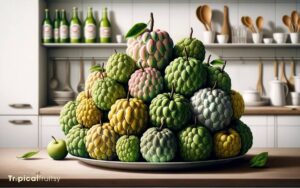
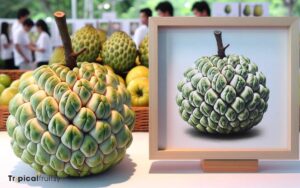
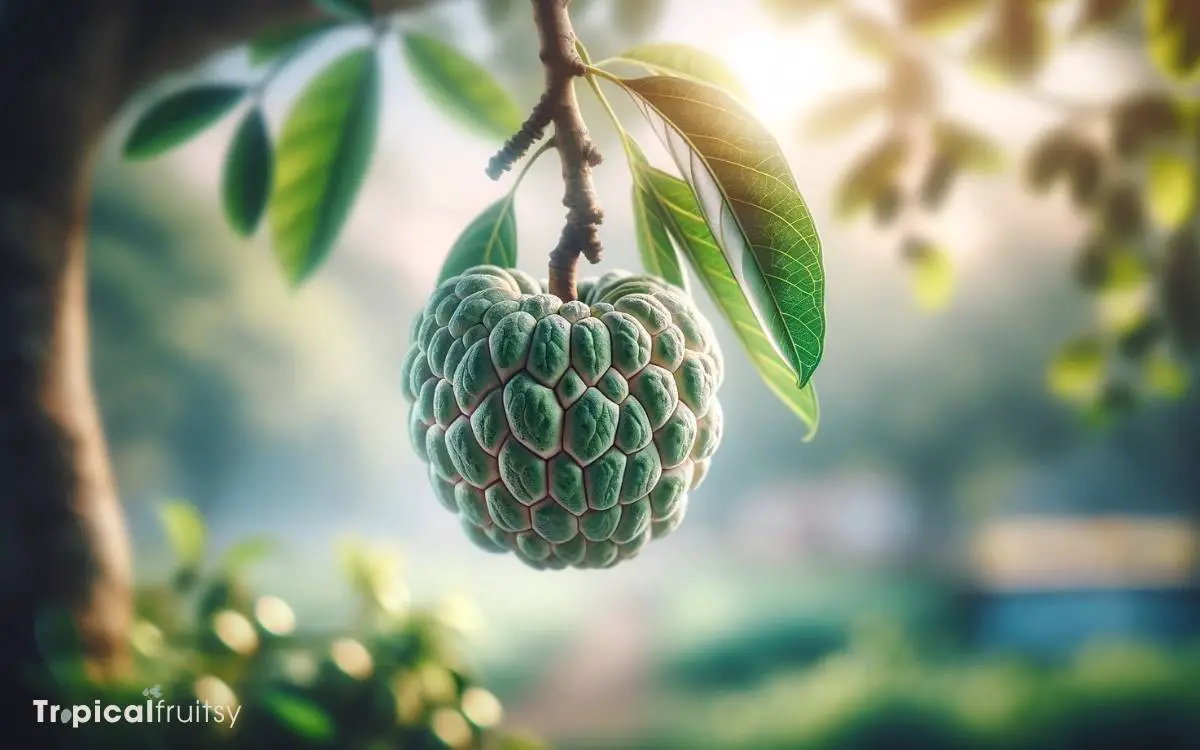
Custard apple, also known as Sitaphal in India, is a sweet, creamy fruit with a bumpy green skin. It gets its name from the flesh’s custard-like texture and the sweet flavor that resembles traditional custard.
Custard apple, or Annona squamosa, is a tropical fruit native to the Americas and West Indies but is now widely cultivated in Asia, including India.
In India, it’s popularly known as Sitaphal, which in Hindi translates to “fruit of Sita,” a reference to the beloved goddess Sita from the Hindu epic Ramayana.
The name reflects the cultural significance and the divine sweetness of the fruit. The fruit’s texture, which is soft and creamy like custard, is the reason for its English name, ‘custard apple.’
Here are some key attributes of the fruit:
Custard apple, or Sitaphal, is a delight in both taste and nutrition, offering a heavenly flavor that’s as rich as its cultural significance in India.
| Indus Farms Custard Apple Fruit Powder 1 LB |  | Best for Smoothies | Product Type: Fruit powder (custard apple) | Packaging Format: Resealable 1 LB pouch | Intended Use: Smoothies, desserts, baking, beverages | VIEW LATEST PRICE | Read Our Analysis |
| VietFarmFood Crispy Dried Custard Apple 2.47oz |  | Premium Snack Quality | Product Type: Freeze-dried whole fruit pieces (crispy dried) | Packaging Format: Ziplock bag (2.47 oz) | Intended Use: Snack, toppings for cereal/yogurt/smoothies/baking | VIEW LATEST PRICE | Read Our Analysis |
| Nectar Superfoods Freeze-Dried Custard Apple Cubes (2 Pack) |  | Convenient Fruit Cubes | Product Type: Freeze-dried fruit cubes | Packaging Format: 2 pack, 0.7 oz pouches | Intended Use: Snacks, smoothies, cocktails, salads, toppings | VIEW LATEST PRICE | Read Our Analysis |
| Moon Freeze-Dried Custard Apple Snacks Pack of 6 |  | Bulk Freeze-Dried Pack | Product Type: Freeze-dried fruit snacks | Packaging Format: Pack of 6, 1.41 oz each | Intended Use: Healthy snack, on-the-go eating | VIEW LATEST PRICE | Read Our Analysis |
| 10PCS Custard Sugar Apple Fruit Tree Seeds |  | Easy Grow Seeds | Product Type: Fruit tree seeds (custard apple) | Packaging Format: 10 seeds per pack, small envelope | Intended Use: Growing fruit trees (gardening) | VIEW LATEST PRICE | Read Our Analysis |
| QAUZUY Garden Sugar Apple Seeds (10 Pack) |  | Organic Seed Pack | Product Type: Fruit tree seeds (custard apple) | Packaging Format: 10 seeds per pack, small box | Intended Use: Growing fruit trees (gardening) | VIEW LATEST PRICE | Read Our Analysis |
| Sugar Apple (Sweetsop) Seeds – 20+ Pack |  | Large Seed Quantity | Product Type: Fruit tree seeds (custard apple) | Packaging Format: 20+ seeds, small pack | Intended Use: Growing fruit trees (gardening) | VIEW LATEST PRICE | Read Our Analysis |
| 5-Year-Old Sugar Apple Tree in 5-Gallon Pot |  | Ready-to-Fruit Tree | Product Type: Live fruit tree plant (5 years old) | Packaging Format: 5-gallon pot live plant | Intended Use: Outdoor planting, fruit production | VIEW LATEST PRICE | Read Our Analysis |
| Red Custard Apple Tree Seedling (Annona reticulata) |  | Rare Red Variety | Product Type: Live fruit tree seedling (red custard apple) | Packaging Format: Seedling bag (8–12 in plant) | Intended Use: Outdoor planting, fruit production | VIEW LATEST PRICE | Read Our Analysis |
| Fresh Cherimoya Fruit 3lbs | 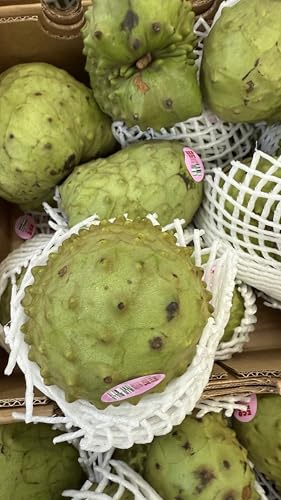 | Fresh Premium Fruit | Product Type: Fresh whole fruit (Cherimoya) | Packaging Format: Bulk packed (3 lbs), protective mesh | Intended Use: Fresh eating, smoothies, fruit salads | VIEW LATEST PRICE | Read Our Analysis |
| Freeze Dried Custard Apple Snack Pack of 5 | 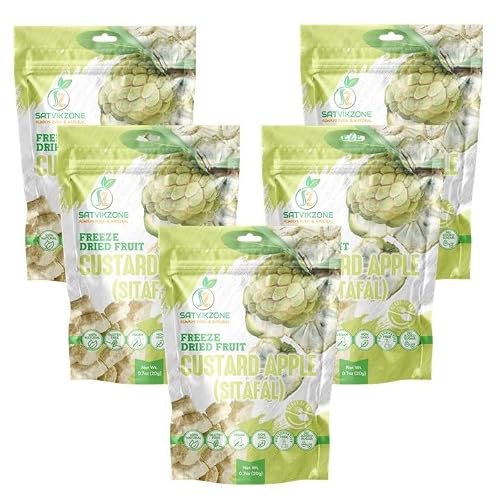 | Kids’ Snack Pack | Product Type: Freeze-dried fruit snack packs | Packaging Format: Pack of 5, 0.7 oz resealable pouches | Intended Use: Snack, kids lunch box, smoothies, desserts | VIEW LATEST PRICE | Read Our Analysis |
| SATVIKZONE Natural Custard Apple Fruit Powder 6oz |  | Certified Natural Powder | Product Type: Fruit powder (custard apple) | Packaging Format: Resealable 6 oz stand-up pouch | Intended Use: Smoothies, yogurt, jams, baking | VIEW LATEST PRICE | Read Our Analysis |
Key Takeaway
Understanding Custard Apple
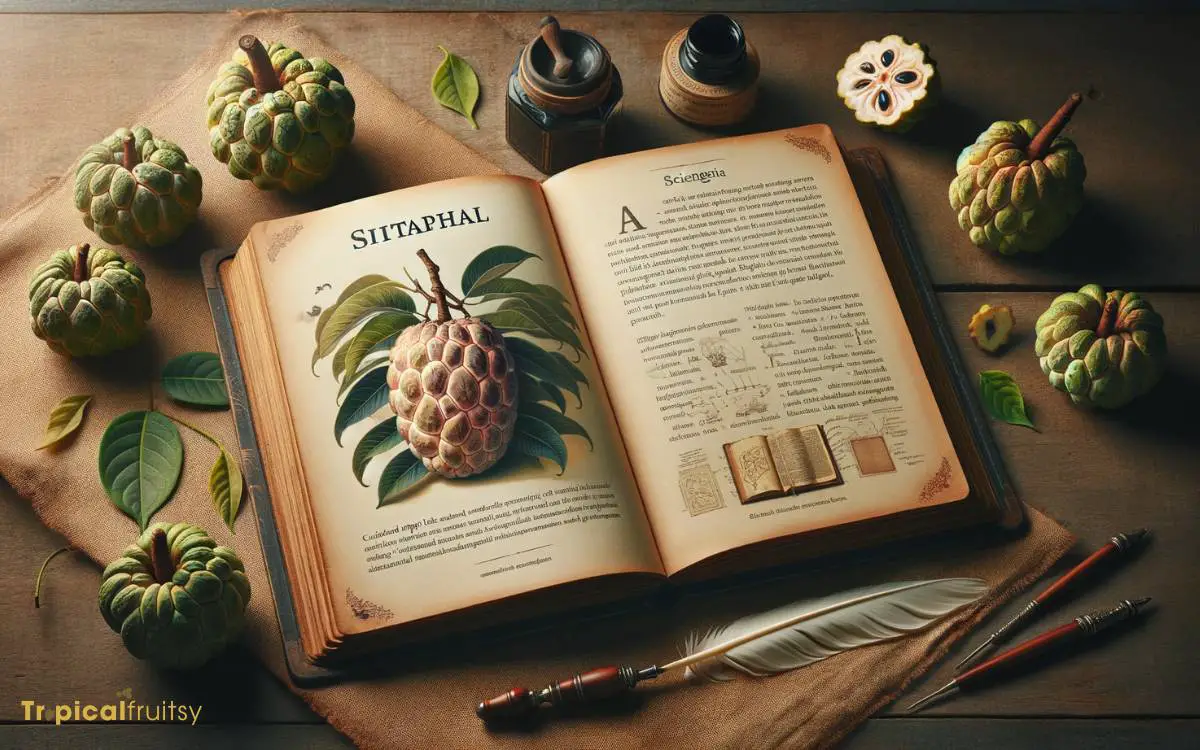
I’ve discovered that the custard apple, a fruit belonging to the genus Annona, is cherished for its sweet, creamy texture and distinctive flavor.
Its appeal lies not just in taste but also in its nutritional profile, which includes a significant amount of vitamin C, dietary fiber, and essential minerals such as magnesium and potassium.
This composition suggests potential health benefits, such as bolstering the immune system and aiding digestion.
Methodically examining its nomenclature, ‘custard’ likely references the fruit’s consistency, while ‘apple’ perhaps denotes its round shape.
However, the moniker ‘Sitaphal’ in certain regions, such as India, is steeped in cultural and mythological connotations, further enriching the fruit’s identity within different ethno-botanical contexts.
The Name ‘Sitaphal’ Explained
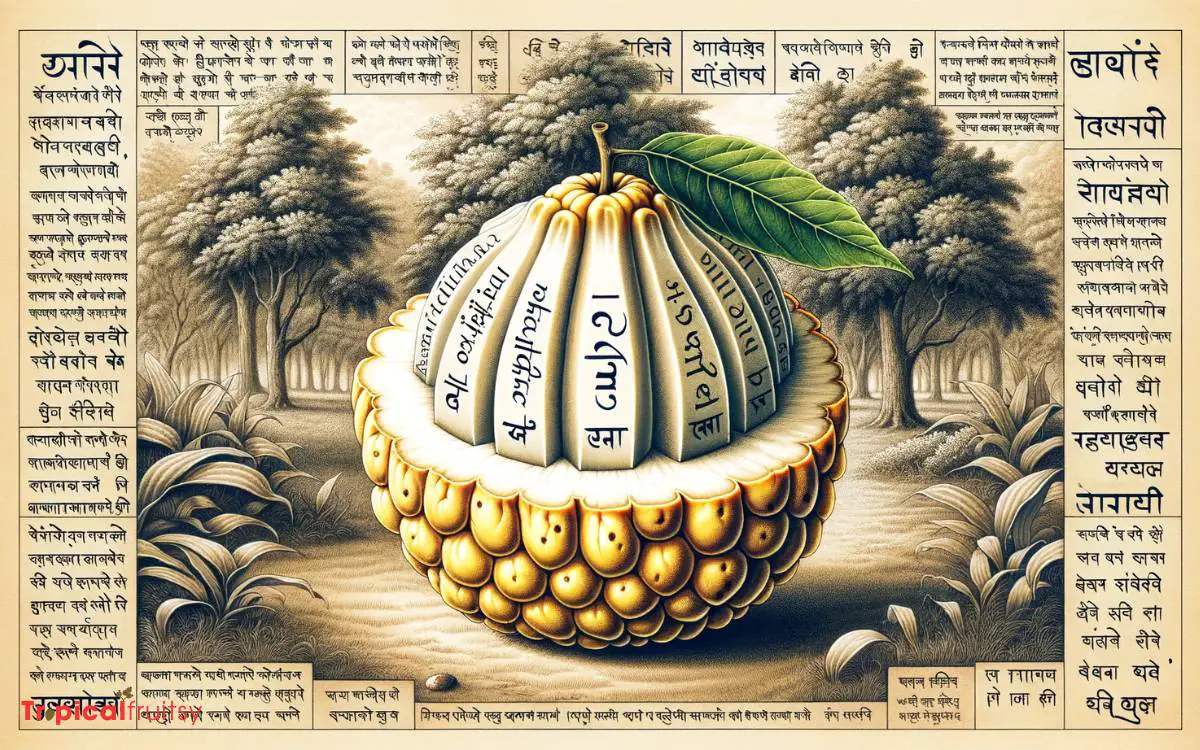
In my exploration of the fruit’s nomenclature, I’ve found that the term ‘Sitaphal’ is linked to the Sanskrit words ‘Sita’, a reference to the goddess from Indian mythology, and ‘phal’, meaning fruit.
This etymological association offers a significant insight into the cultural and religious backdrop that influences the naming conventions within the region.
‘Sita’, as a revered figure, implies purity and richness, qualities that could be symbolically attributed to the fruit itself.
Delving deeper, the appellation suggests a certain sanctity, possibly elevating the fruit’s status in local contexts.
The use of ‘phal’ straightforwardly classifies it within the category of fruits, reinforcing its identity in the vernacular lexicon.
This scholarly angle leads me to ponder the mythological connections that may have further shaped Sitaphal’s name.
Mythological Connections
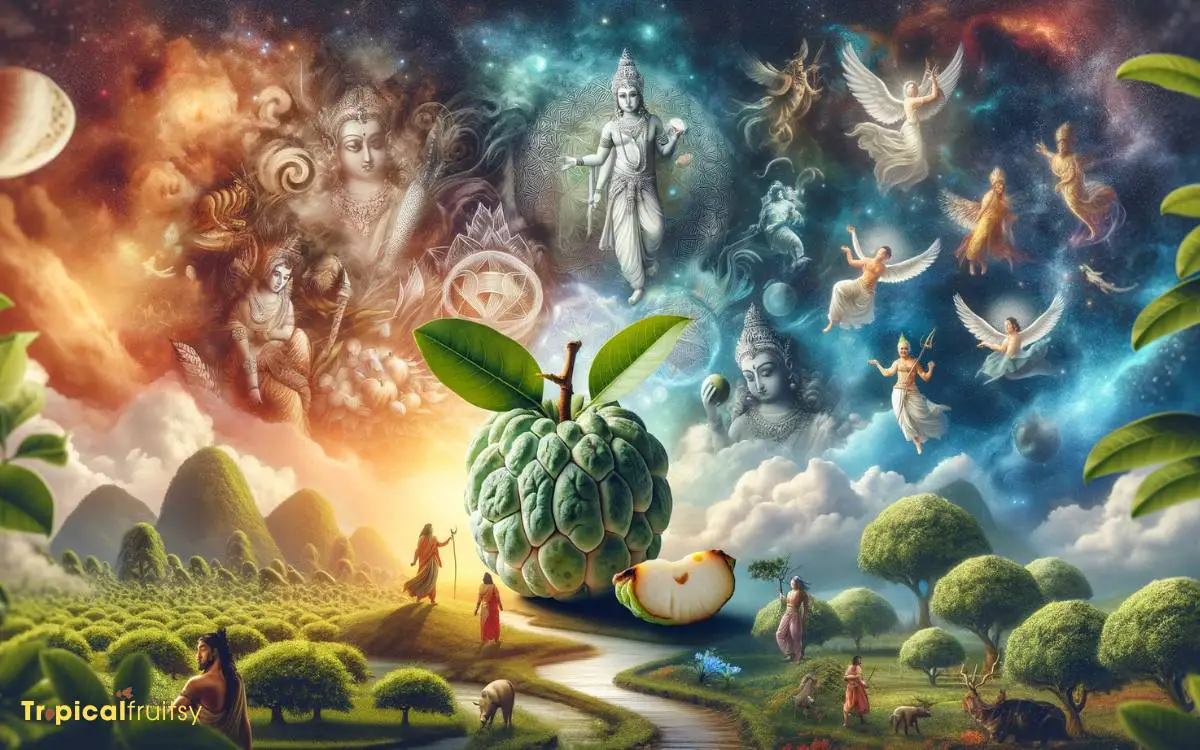
In examining the mythological connections of the custard apple, it’s crucial to acknowledge its association with Sita, a central character in the epic Ramayana.
This fruit is traditionally considered Sita’s favorite, which provides a cultural context to its naming as ‘Sitaphal’.
Furthermore, I’ll scrutinize the interpretations of its divine symbolism, which have contributed to its revered status in certain religious narratives.
Sita’s Favorite Fruit
Amidst the rich tapestry of Hindu mythology, it’s believed that the custard apple, or sitaphal, was a cherished fruit of Sita, the goddess it’s named after. This connection isn’t merely incidental but is steeped in symbolic connotations.
Analyzing the texts, one finds that Sita, an embodiment of fertility and abundance, is often associated with bountiful harvests and nurturing elements.
The custard apple’s lush, seed-filled interior can be seen as a representation of these qualities. Furthermore, the fruit’s sweetness parallels the narratives of Sita’s gentle and nurturing nature.
While explicit textual evidence linking Sita directly to the custard apple is scant, the etymological assignment of ‘sitaphal’ underscores a deeper, culturally ingrained association.
Thus, it seems that the naming is both a nod to Sita’s virtues and an allegorical reference to fertility and sustenance.
Epic Ramayana Reference
I’ll now delve into the Ramayana, where the mythological connections between the custard apple and the epic’s narrative become evident.
The Ramayana, a venerable Indian epic, is replete with allegorical tales that have permeated cultural traditions.
In the context of the custard apple, the fruit’s nomenclature in India as ‘Sitaphal’ is intrinsically linked to Sita, the epic’s revered heroine.
Methodically examining the text reveals that while the fruit itself isn’t explicitly mentioned in the Ramayana, its association with Sita is likely a post-textual intertwining of cultural beliefs and narrative traditions.
This appellation reflects the fruit’s perceived sweetness and fertility, traits often ascribed to the virtuous Sita. Hence, the custard apple’s name serves as a symbolic homage to her character within the epic.
Divine Symbolism Interpretation
Why then does the custard apple bear a divine symbolism, echoing mythological connections beyond its mere naming?
The fruit’s association with the goddess Sita in the epic Ramayana isn’t merely coincidental. It’s laced with layers of symbolism that require a methodical analysis to unravel.
The custard apple, or sitaphal, is often seen as a representation of fertility and divine blessing, perhaps mirroring Sita’s own revered status as an embodiment of earth’s bounty and purity.
| Aspect | Symbolism | Connection to Sita |
|---|---|---|
| Form | Fertility | Earthly embodiment |
| Taste | Divine blessing | Nectar of the Gods |
| Seeds | Multiplicity | Abundance of life |
Historical Naming Practices

As we turn to historical naming practices, I’ll scrutinize the etymological roots of ‘Sitaphal’, tracing back through ancient texts to uncover how cultural influences have shaped its nomenclature.
It’s essential to dissect the layers of linguistic evolution that inform the present-day use of the term.
I’ll reference specific ancient manuscripts to validate the historical continuity and transformation of the name ‘Custard Apple’ in different societies.
Etymological Roots
The name ‘Sitaphal’ for custard apple has its origins in the Sanskrit words ‘sita,’ meaning white, and ‘phal,’ which translates to fruit.
This nomenclature is deeply rooted in historical linguistics, reflecting the descriptive nature of ancient naming practices.
The creamy, whitish pulp of the fruit likely inspired its Sanskrit moniker.
To dissect this further:
- Sita: Denotes the color or characteristic of the flesh of the fruit.
- Phal: A general term used for fruit, signifying the category of the produce.
- Sanskrit: An ancient language that has profoundly influenced the lexicon of many South Asian languages.
Cultural Influences
I’ll now explore how historical naming practices, steeped in cultural traditions, have contributed to the custard apple being known as ‘Sitaphal’.
The term ‘Sitaphal’ is deeply rooted in the Indian subcontinent’s nomenclature, reflecting both linguistic and mythological legacies.
The Sanskrit name ‘Sitaphal’, literally translating to ‘fruit of Sita’, illustrates the cultural significance associated with this fruit.
To elucidate, I present the following table that dissects the cultural layers behind the naming:
| Aspect | Description | Relevance |
|---|---|---|
| Etymology | Derived from Sanskrit | Highlights linguistic heritage |
| Mythology | Associated with Sita, a goddess | Indicates mythological significance |
| Geography | Popular in South Asia | Reflects regional prevalence |
| Usage | Common in traditional cuisine | Embodies cultural continuity |
| Linguistic Adoption | Incorporated into various languages | Demonstrates linguistic assimilation |
This methodical breakdown illustrates how the custard apple’s name is a tapestry of historical and cultural influences.
Ancient Texts References
Delving into ancient scripts, I’ve discovered references that underscore the historical importance of custard apple, known as ‘Sitaphal’ in these texts.
These documents aren’t merely casual mentions but rather indicate a deep cultural and medicinal value attributed to the fruit. The meticulous nature of these ancient catalogues showcases the reverence held for Sitaphal.
To illustrate:
- Sanskrit texts, such as the Amarakosha, classify the fruit under the name ‘Sitaphal’ and detail its properties.
- Ayurvedic treatises enlist ‘Sitaphal’ for its cooling effects and digestive benefits, highlighting its therapeutic uses.
- Historical agricultural compendiums discuss the cultivation methods and regional adaptations of ‘Sitaphal’, pointing to its horticultural significance.
These bullet points are a testament to the profound legacy of custard apple within historical narratives.
Etymology of ’Sitaphal
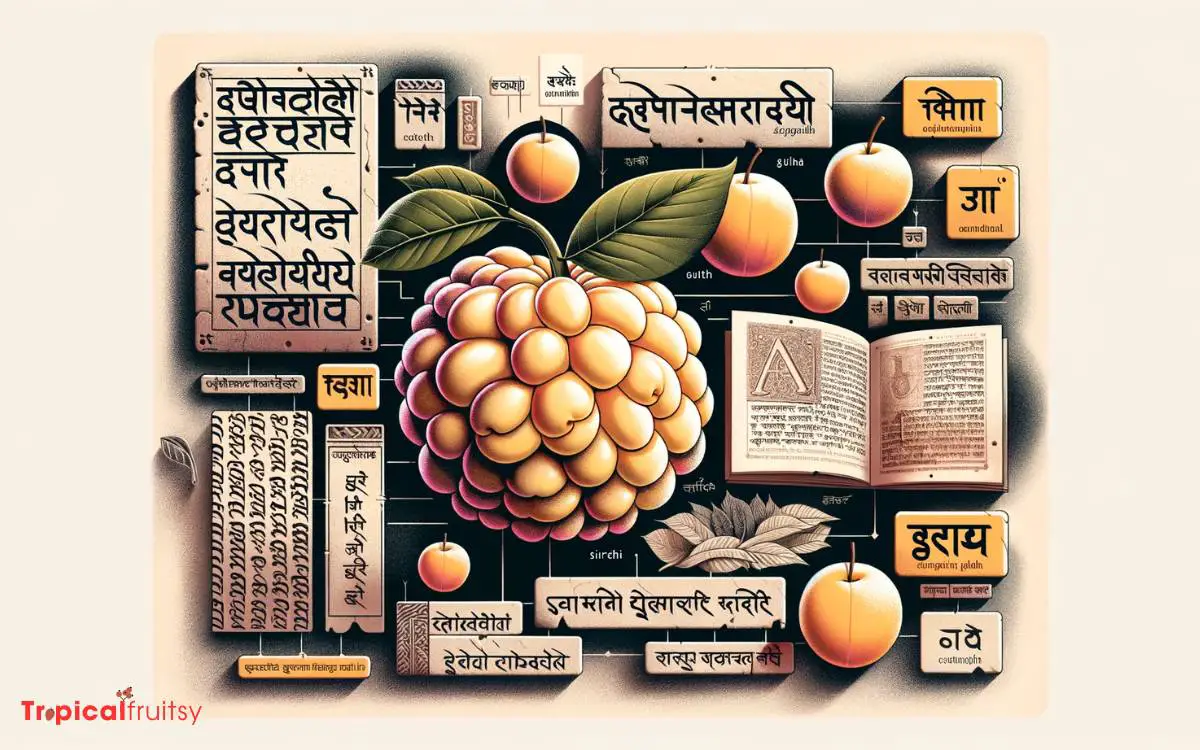
My investigation into the etymology of ‘Sitaphal’ reveals that the term originates from the Sanskrit words ‘Sita’, referring to the wife of Lord Rama in Hindu mythology, and ‘phal’, meaning fruit.
This nomenclature isn’t merely a linguistic conjunction but also carries cultural significance.
In the Indian subcontinent, where the custard apple is widely cultivated and consumed, associating the fruit with a revered mythological figure like Sita adds an element of sanctity and endearment.
It’s plausible that the fruit’s sweetness and richness contributed to its naming, symbolically linking it to the virtues and grace associated with Sita. Hence, ‘Sitaphal’ isn’t just a name but a term steeped in religious lore and societal esteem.
Regional Variations in India
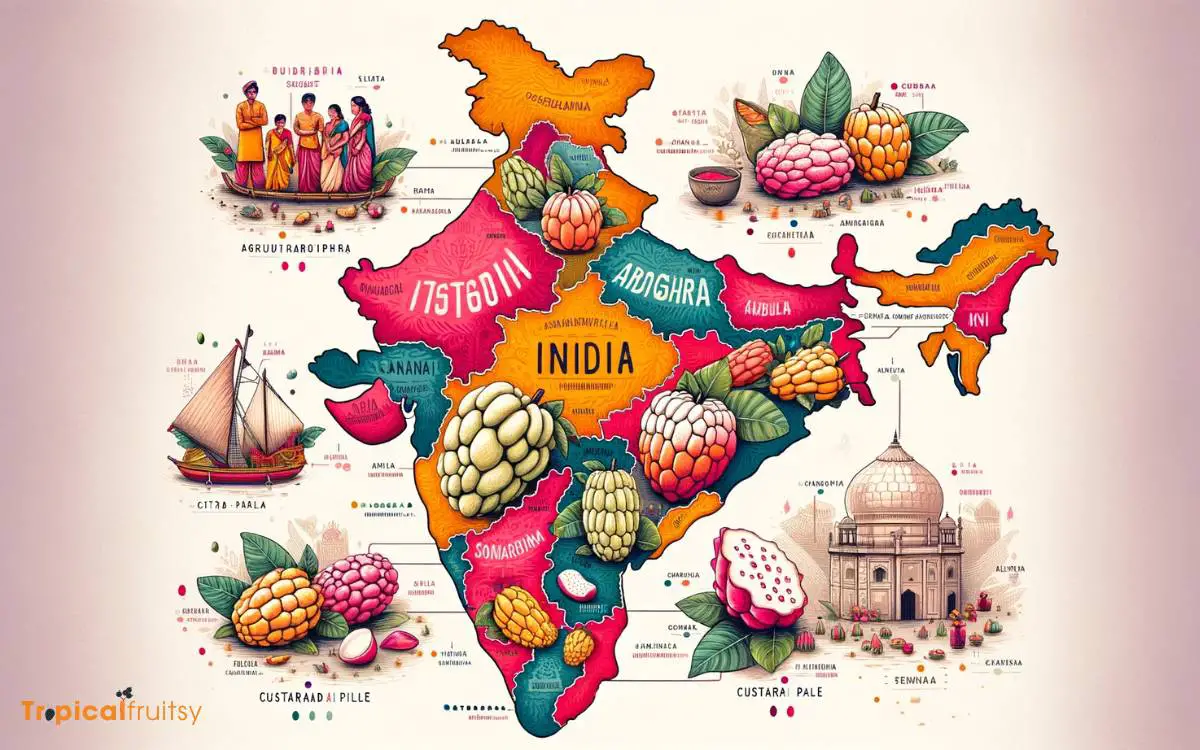
In exploring the regional variations of the custard apple’s nomenclature in India, I’ve come across a rich tapestry of local names that reflect the diverse linguistic cultures of the region.
These appellations aren’t just mere translations; they’re imbued with cultural significance and local lore that provide a deeper understanding of the fruit’s place within each society.
- Sharifa in Hindi, prevalent in North India, hints at a noble lineage, perhaps likening the fruit’s value to that of a noble personage.
- Seetha Pazham in Tamil and Seethaphal in Telugu, used in the South, are directly associated with the mythological tale of Sita, indicating a sacred connection.
- Ata in Bengali, a linguistic deviation that suggests a unique cultural assimilation of the fruit into the Bengali tradition.
Each term offers a window into how regional identities shape the perception and ultimately the nomenclature of this beloved fruit.
Cultural Significance
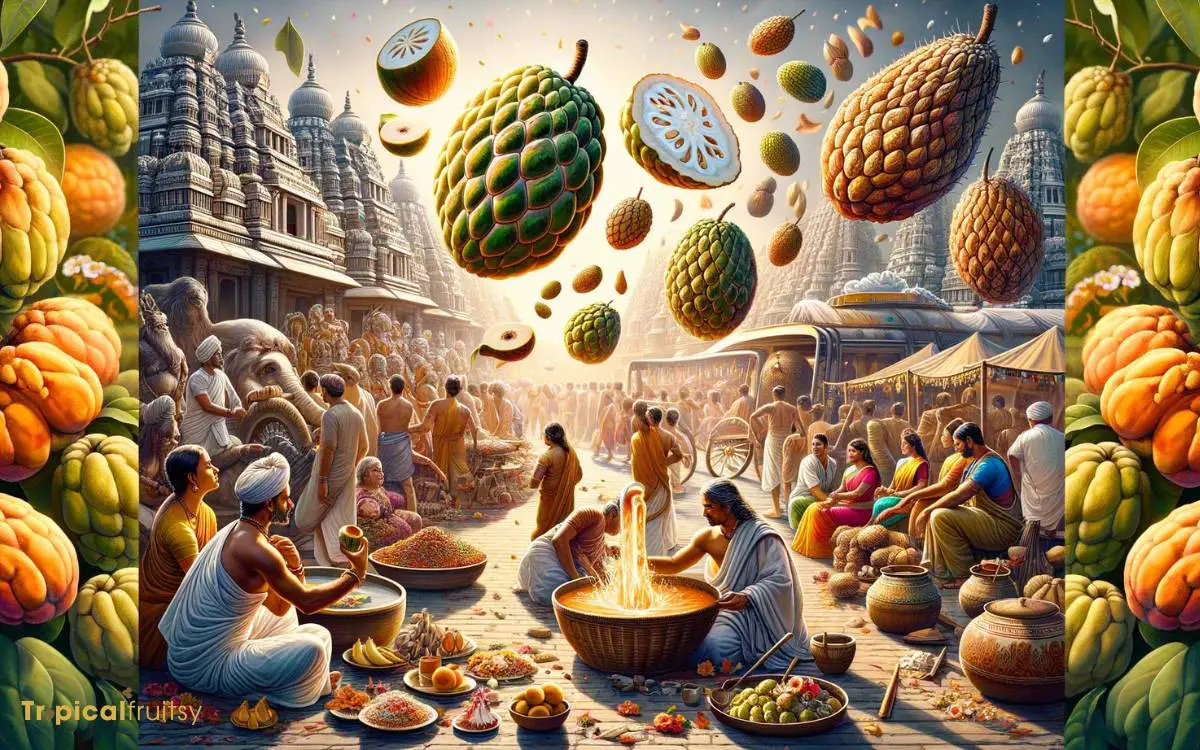
Exploring these regional names has led me to uncover the cultural significance of custard apple, particularly how it’s revered in various traditions and myths.
Often, the fruit’s nomenclature is imbued with historical and mythological narratives that transcend mere sustenance.
For instance, in Indian culture, the custard apple is associated with the goddess Sita, a central figure in the epic Ramayana, which explains the vernacular moniker ‘Sitaphal’.
This association imbues the fruit with a divine essence and positions it within a framework of sacredness.
Moreover, the fruit’s incorporation into religious ceremonies and festive rituals underscores its cultural resonance. It’s not just a dietary staple but a symbol of prosperity and fertility.
Methodically analyzing these cultural contexts reveals the layers of meaning that a simple fruit can hold within a society.
Sitaphal in Indian Cuisine
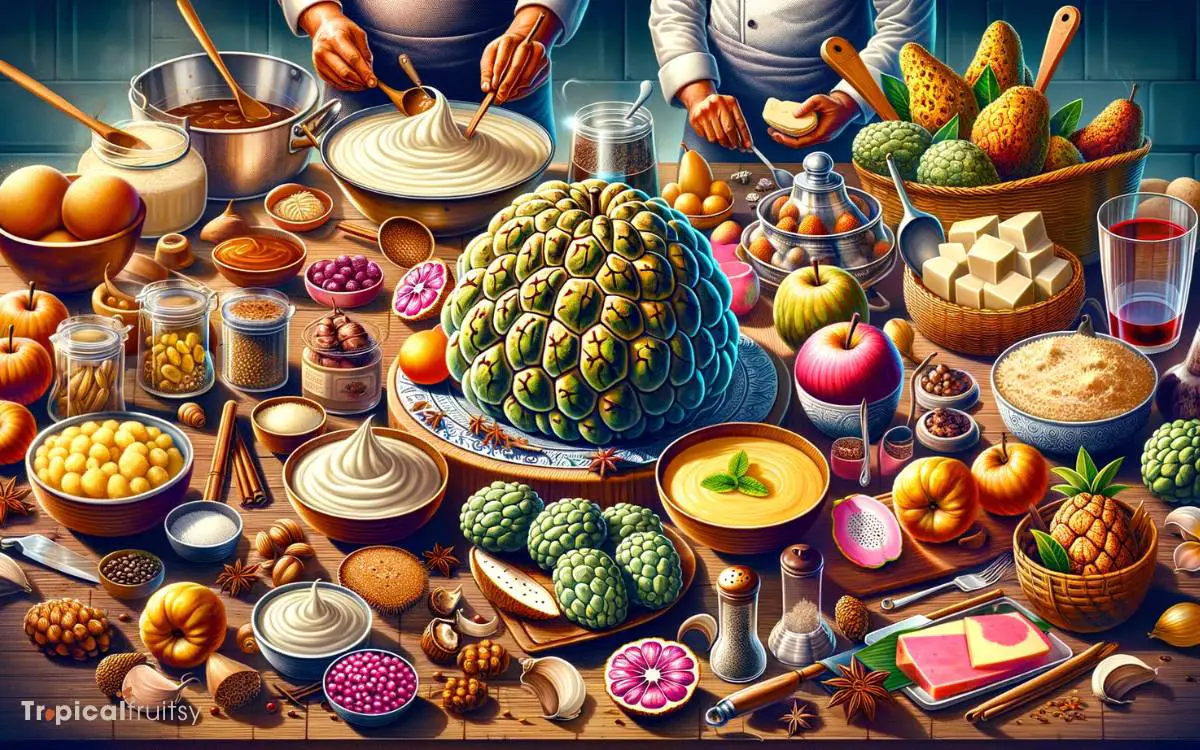
I’ve discovered that Sitaphal, the custard apple, is a versatile ingredient in Indian cuisine, finding its place in a variety of sweet and savory dishes.
Its unique texture and flavor profile enrich Indian gastronomy, offering both nutritional value and culinary diversity.
Analyzing its usage, I note the following applications:
- Sitaphal Rabdi: A creamy dessert where the fruit’s pulp is mixed with thickened milk and cardamom, offering a lush sweetness.
- Sitaphal Curry: Here, the fruit adds a natural creaminess to gravies, paired often with spices that complement its subtle undertones.
- Sitaphal Ice Cream: This delicacy incorporates the pureed fruit into ice cream, creating a rich and exotic flavor that’s both refreshing and indulgent.
Each dish showcases Sitaphal’s adaptability and its esteemed place in the culinary tapestry of India.
Global Names for Custard Apple
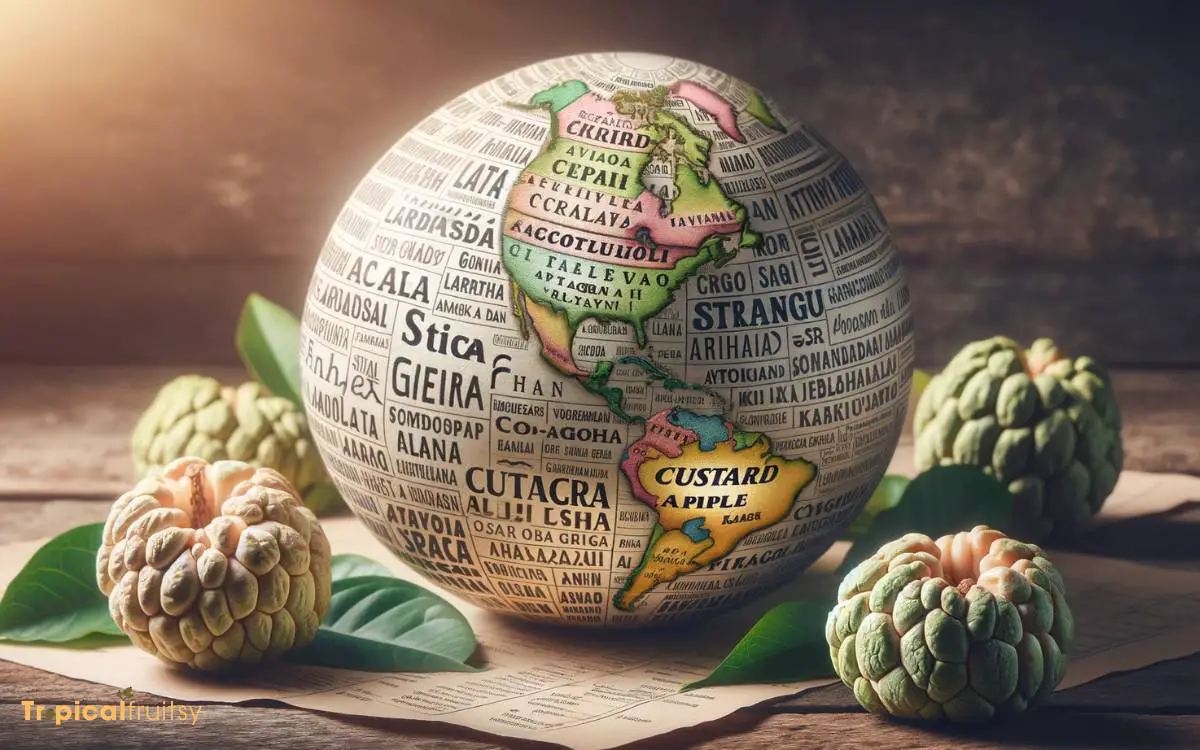
My exploration into custard apple’s various monikers reveals a tapestry of names across different cultures, reflecting its widespread appreciation.
In Latin America, it’s known as ‘chirimoya,’ derived from the Quechua word ‘chirimuya,’ which means ‘cold seeds.’
The Spanish influence perpetuated this term, emphasizing the fruit’s prevalence in cooler, highland regions.
The Caribbean and some parts of Southeast Asia refer to it as ‘sweetsop,’ a name that underlines its sugary flavor profile.
In North America, the term ‘custard apple’ is commonly used, likely due to its creamy texture reminiscent of custard desserts.
Each regional nomenclature not only identifies the fruit but also encapsulates a unique aspect of its sensory experience or cultural significance, underpinning the analytical need to understand the etymological roots behind the name.
More Details on Our Top Picks
Indus Farms Custard Apple Fruit Powder 1 LB
Looking for a convenient way to enjoy authentic custard apple flavor year-round? Indus Farms Custard Apple Fruit Powder offers a creamy tropical taste without the hassle of fresh fruit. This 1 LB, plant-based powder blends instantly into smoothies, desserts, and beverages, making it perfect for home cooks and professionals alike.
It’s vegan, gluten-free, and non-GMO; packed in a resealable pouch to keep it fresh. You’ll love its consistent flavor for milkshakes, yogurts, ice creams, and baking. Plus, it stores easily with a long shelf life, so you can savor custard apple anytime without spoilage or prep time.
- Product Type:Fruit powder (custard apple)
- Packaging Format:Resealable 1 LB pouch
- Intended Use:Smoothies, desserts, baking, beverages
- Natural / Additive Status:100% natural, vegan, gluten-free, non-GMO, no artificial additives
- Shelf Life & Storage:Long shelf life, easy storage, resealable pouch
- Origin / Species:Custard Apple (Annona squamosa) powder
- Additional Feature:Instant-mixing smooth powder
- Additional Feature:Consistent home/commercial use
- Additional Feature:Naturally lighter sweetness
VietFarmFood Crispy Dried Custard Apple 2.47oz
Who doesn’t want a nutritious snack that’s both pure and crunchy? VietFarmFood Crispy Dried Custard Apple 2.47oz offers just that. Freeze-dried using modern technology, it preserves the natural sweetness, flavor, and texture of premium Vietnamese custard apples without added sugar or artificial ingredients.
You can enjoy it straight from the high-quality ziplock bag or use it as a topping for cereals, yogurt, smoothies, and desserts. Its long shelf life and attractive packaging make it perfect for gifting family and friends. With VietFarmFood, you get consistent quality and a wholesome, convenient snack anytime.
- Product Type:Freeze-dried whole fruit pieces (crispy dried)
- Packaging Format:Ziplock bag (2.47 oz)
- Intended Use:Snack, toppings for cereal/yogurt/smoothies/baking
- Natural / Additive Status:No added sugar, no artificial ingredients, natural sweetness
- Shelf Life & Storage:Long shelf life, freeze-dried, resealable bag
- Origin / Species:Vietnamese custard apple (Annona squamosa)
- Additional Feature:Freeze-dried crisp texture
- Additional Feature:No added sugar
- Additional Feature:Attractive gift packaging
Nectar Superfoods Freeze-Dried Custard Apple Cubes (2 Pack)
Wondering how to enjoy custard apple without the mess of peeling and cutting? Nectar Superfoods Freeze-Dried Custard Apple Cubes offer a convenient, mess-free way to savor this unique Indian fruit. Each 0.7 oz pouch contains 100% real fruit—no sugar or preservatives added. This makes it a healthy vegan and gluten-free snack.
Perfect for camping, parties, or daily boosts, these cubes blend effortlessly into smoothies, cocktails, salads, ice cream, and pastries. You get two handy pouches, so you’re always stocked. With no prep required, you can enjoy custard apple’s natural flavor anytime, anywhere, hassle-free.
- Product Type:Freeze-dried fruit cubes
- Packaging Format:2 pack, 0.7 oz pouches
- Intended Use:Snacks, smoothies, cocktails, salads, toppings
- Natural / Additive Status:No sugar, no preservatives, vegan, gluten-free
- Shelf Life & Storage:Shelf stable freeze-dried pouches
- Origin / Species:Indian custard apple fruit (Annona squamosa)
- Additional Feature:100% real fruit cubes
- Additional Feature:Convenient snack portion
- Additional Feature:Ideal for camping/parties
Moon Freeze-Dried Custard Apple Snacks Pack of 6
If you need a healthy, on-the-go snack that fits your busy lifestyle, Moon Freeze-Dried Custard Apple Snacks, Pack of 6 is a perfect choice. Each 1.41-ounce pack delivers crispy, all-natural Indian custard apple without added sugar or preservatives.
You’ll enjoy a clean, vegan snack packed with vitamins and fiber that supports digestion and boosts natural energy. These convenient, portable packs require no refrigeration and have a long shelf life; this makes them ideal for work, school, or travel.
Easy to store and fresh-tasting, Moon’s freeze-dried custard apple snacks keep you fueled anytime, anywhere with wholesome nutrition.
- Product Type:Freeze-dried fruit snacks
- Packaging Format:Pack of 6, 1.41 oz each
- Intended Use:Healthy snack, on-the-go eating
- Natural / Additive Status:100% natural, no sugar/preservatives, vegan
- Shelf Life & Storage:Long shelf life, no refrigeration needed
- Origin / Species:Indian custard apple snack (Annona squamosa)
- Additional Feature:High vitamin and fiber
- Additional Feature:Natural energy booster
- Additional Feature:Portable single-serve packs
10PCS Custard Sugar Apple Fruit Tree Seeds
Looking for an easy-to-grow custard apple variety that fits perfectly in your backyard orchard? The 10PCS Custard Sugar Apple Fruit Tree Seeds from American Grown Seed Co Inc are a great choice. These seeds thrive in tropical and subtropical climates and tolerate poor soils, including heavy limestone.
You won’t need special soil or frequent watering; just plant and forget. Germination takes 30-90 days, making it ideal for both novice and experienced gardeners. Each package contains 10 seeds, perfect for starting your own sweet, versatile fruit trees right at home.
Give your garden a tropical twist with minimal effort!
- Product Type:Fruit tree seeds (custard apple)
- Packaging Format:10 seeds per pack, small envelope
- Intended Use:Growing fruit trees (gardening)
- Natural / Additive Status:Organic seeds, non-GMO
- Shelf Life & Storage:Store seeds dry, shelf stable
- Origin / Species:Custard sugar apple tree seeds (Annona squamosa)
- Additional Feature:Tolerates poor soils
- Additional Feature:Plant-and-forget watering
- Additional Feature:Germination 30-90 days
QAUZUY Garden Sugar Apple Seeds (10 Pack)
Gardeners seeking a reliable way to grow their own custard apples will appreciate the QAUZUY Garden Sugar Apple Seeds (10 Pack). These organic, non-GMO seeds thrive outdoors in full sun and well-drained soil; they are perfect for USDA zones 4-11. Plant them 3/4-inch deep in moist soil with temperatures above 70°F. Keep the soil evenly moist for successful germination.
The sweet, creamy fruit offers rich nutrition, including essential minerals like iron and calcium. Each pack includes 10 fragrant seeds, ensuring you have plenty to start your tropical fruit garden. With solid care, you’ll enjoy fragrant, delicious custard apples right at home.
- Product Type:Fruit tree seeds (custard apple)
- Packaging Format:10 seeds per pack, small box
- Intended Use:Growing fruit trees (gardening)
- Natural / Additive Status:Organic, non-GMO seeds
- Shelf Life & Storage:Store seeds dry, shelf stable
- Origin / Species:Sugar apple seeds (Annona squamosa)
- Additional Feature:Organic, non-GMO seeds
- Additional Feature:Rich mineral nutrition
- Additional Feature:Fragrant sweet creamy flesh
Sugar Apple (Sweetsop) Seeds – 20+ Pack
Wondering where to start growing your own custard apples? The Sugar Apple (Sweetsop) Seeds – 20+ Pack by Alexi is a great choice. These Annona squamosa seeds come in a compact package, perfect for planting multiple trees.
Expect blooming in spring with full sun and moderate watering. This is suitable even for USDA zone 3. Although customer reviews are mixed, the seeds offer a good opportunity to cultivate sweet custard apples yourself.
Keep an eye on price updates; feedback helps keep costs competitive. This pack is ideal if you’re ready to grow your own tropical fruit right at home.
- Product Type:Fruit tree seeds (custard apple)
- Packaging Format:20+ seeds, small pack
- Intended Use:Growing fruit trees (gardening)
- Natural / Additive Status:Seeds only, likely natural, no additives
- Shelf Life & Storage:Store seeds dry, shelf stable
- Origin / Species:Sugar apple seeds (Annona squamosa)
- Additional Feature:Thai sugar apple variety
- Additional Feature:USDA zone 3 hardy
- Additional Feature:Moderate watering needs
5-Year-Old Sugar Apple Tree in 5-Gallon Pot
If you want a mature sugar apple tree that’s ready to bear fruit, the 5-Year-Old Sugar Apple Tree in a 5-gallon pot fits the bill perfectly. Standing 4 to 5 feet tall, this tree boasts strong roots for quick adaptation in your garden or patio.
It thrives in full sun within USDA Zones 9–11; producing sweet, creamy custard-like fruits. With glossy green leaves and fragrant tropical fruit, it enhances any outdoor space. Moderate watering is essential to keep it healthy.
This DMOH live plant offers a hassle-free way to enjoy fresh custard apples sooner rather than later.
- Product Type:Live fruit tree plant (5 years old)
- Packaging Format:5-gallon pot live plant
- Intended Use:Outdoor planting, fruit production
- Natural / Additive Status:Live plant, natural fruit tree
- Shelf Life & Storage:Live plant, outdoor planting, moderate watering
- Origin / Species:Sugar apple tree live plant (Annona squamosa)
- Additional Feature:Ready to bear fruit
- Additional Feature:Strong roots for transplant
- Additional Feature:Glossy green ornamental leaves
Red Custard Apple Tree Seedling (Annona reticulata)
Looking to grow a unique fruit tree that thrives in warm climates? The Red Custard Apple Tree Seedling (Annona reticulata) is a rare, fast-growing choice producing sweet, creamy red-fleshed fruits. This small to medium-sized tree boasts broad, glossy green leaves. It also has heart-shaped fruits with deep red skin when mature.
It thrives in USDA zones 9–11 and prefers full sun. The tree requires well-draining sandy loam soil and needs moderate watering without overwatering. You’ll receive an 8–12 inch seedling in a bag, ready to transplant outdoors or into a larger container. Fertilize monthly during the growing season for best results.
- Product Type:Live fruit tree seedling (red custard apple)
- Packaging Format:Seedling bag (8–12 in plant)
- Intended Use:Outdoor planting, fruit production
- Natural / Additive Status:Live seedling, natural fruit tree
- Shelf Life & Storage:Live seedling, outdoor planting, regular watering
- Origin / Species:Red custard apple seedling (Annona reticulata)
- Additional Feature:Red-fleshed sweet fruit
- Additional Feature:Grafted fast-growing seedling
- Additional Feature:Heart-shaped large fruits
Fresh Cherimoya Fruit 3lbs
Anyone craving a sweet-tart treat with a creamy, custard-like texture will find Fresh Cherimoya Fruit 3lbs an excellent choice. Each fruit measures 6-8 inches and weighs 8-16 ounces; it is packed carefully in protective mesh to ensure safe delivery. You’ll love its flavors reminiscent of banana, pineapple, and strawberry. This fruit is perfect for fresh eating or blending into smoothies.
To enjoy, cut it in half and scoop out the velvety flesh, avoiding large black seeds. Keep it at room temperature until slightly soft with green-yellow skin. Then, refrigerate for up to a week. Rich in vitamin C and fiber, it’s a healthy indulgence.
- Product Type:Fresh whole fruit (Cherimoya)
- Packaging Format:Bulk packed (3 lbs), protective mesh
- Intended Use:Fresh eating, smoothies, fruit salads
- Natural / Additive Status:Fresh natural fruit, no additives
- Shelf Life & Storage:Best fresh, refrigerate after ripening up to 5-7 days
- Origin / Species:Cherimoya fruit (Annona cherimola)
- Additional Feature:Sweet-tart custard flavor
- Additional Feature:Banana, pineapple notes
- Additional Feature:Protective mesh packaging
Freeze Dried Custard Apple Snack Pack of 5
Wondering where to find a convenient, healthy snack that fits your vegan and gluten-free lifestyle? The Freeze Dried Custard Apple Snack Pack of 5 by SATVIKZONE is perfect for you. Each 0.7 oz pack contains 100% natural custard apple with no added sugar, artificial flavors, or preservatives.
These allergen-free, non-GMO snacks come in resealable pouches; they ensure freshness on the go. Use them straight from the pack or add to smoothies, yogurt, or desserts. Just store them in a cool, dry place and reseal after opening.
Ideal for travel, workouts, or kids’ lunch boxes, these packs keep your nutrition hassle-free.
- Product Type:Freeze-dried fruit snack packs
- Packaging Format:Pack of 5, 0.7 oz resealable pouches
- Intended Use:Snack, kids lunch box, smoothies, desserts
- Natural / Additive Status:100% natural, vegan, gluten-free, no added sugar or preservatives
- Shelf Life & Storage:Store cool dry place, resealable packs, use quickly after opening
- Origin / Species:Custard apple (Sitafal) freeze-dried snack (Annona squamosa)
- Additional Feature:Allergen-free, non-GMO
- Additional Feature:Resealable stand-up pouch
- Additional Feature:Ideal for kids’ lunch
SATVIKZONE Natural Custard Apple Fruit Powder 6oz
If you prioritize natural, allergen-free ingredients, SATVIKZONE Natural Custard Apple Fruit Powder 6oz is a perfect choice. This 100% natural, vegan-friendly powder contains no added sugar, artificial flavors, colors, or preservatives. You’ll appreciate its gluten-free, Halal, Kosher, and allergen-free certifications.
Packaged in an eco-friendly, resealable stand-up pouch, it stays fresh and clump-free when stored properly. Use it to add authentic custard apple flavor to smoothies, yogurt, jams, ice cream, and baked goods. Non-GMO and shelf-stable, SATVIKZONE’s powder lets you enjoy custard apple taste year-round with ease and convenience.
- Product Type:Fruit powder (custard apple)
- Packaging Format:Resealable 6 oz stand-up pouch
- Intended Use:Smoothies, yogurt, jams, baking
- Natural / Additive Status:100% natural, vegan, gluten-free, no added sugar, no artificial additives
- Shelf Life & Storage:Resealable pouch, protect from sunlight, refrigerate or cabinet storage
- Origin / Species:Custard apple fruit powder (Sitafal, Annona squamosa)
- Additional Feature:Halal and kosher certified
- Additional Feature:No clumping with care
- Additional Feature:Eco-friendly packaging
Factors to Consider When Choosing Where to Buy Custard Apple
When choosing where to buy custard apple, you’ll want to check the quality assurance and variety available. Comparing prices and seller reputation can help you get the best value.
Don’t forget to consider shipping and storage conditions to ensure your fruit arrives fresh.
Product Quality Assurance
How can you be sure the custard apple you buy meets high standards? Start by looking for clear quality certifications like HACCP or BRCGS, which show rigorous processing and safety. Check if the product uses gentle methods such as freeze-drying to preserve flavor and nutrients without adding sweetness or causing clumps.
Pay attention to packaging: resealable pouches with moisture barriers keep the custard apple fresh and prevent spoilage. Always confirm allergen information and avoid products with additives, artificial colors, or preservatives to ensure purity and safety for sensitive diets.
Finally, review storage instructions and shelf-life details to maintain consistent quality over time. These steps help you confidently choose custard apples that deliver the best taste and safety.
Variety And Product Types
Why settle for just one form of custard apple when you can choose from a variety that suits your needs? Whether you want freeze-dried snacks, fruit powders, cubed pieces, or even live trees and seeds, the options affect flavor, texture, and how you use them.
Powdered custard apple in 6 oz or 1 lb pouches lets you enjoy it year-round; it is perfect for smoothies, yogurts, and baking. Freeze-dried pieces keep nutrients and flavor intact without added sugar; they are ideal for quick snacks or dessert toppings. If you prefer growing your own, seeds and live plants let you cultivate custard apples at home; however, they need the right climate and patience.
Packaging sizes and features, like resealable pouches, also influence freshness and convenience, especially on the go.
Price And Value Comparison
Choosing the right custard apple product isn’t just about variety; it also comes down to price and value. You should compare the unit price per ounce or gram since smaller pouches often cost more per ounce than larger 1 lb powders.
Consider the processing method: freeze-dried, dried, or fresh. This affects price, shelf life, and flavor. Added features like no sugar, gluten-free, vegan certifications, or resealable packaging can increase cost but add convenience.
Also, think about packaging size; bigger containers generally offer better value if you use custard apple frequently in smoothies or desserts. Finally, weigh the convenience of ready-to-eat snacks against bulk buying’s price efficiency to find what best suits your needs and budget.
Seller Reputation And Trust
Where can you find a trustworthy seller for custard apple products? Start by checking consistent positive feedback and a high Best Sellers Rank in relevant categories. These signals show reliability.
Next, look for clear product details like ingredients, certifications, and shelf life to confirm authenticity. Favor sellers who make transparent packaging claims: no added sugars, artificial flavors, or preservatives. Additionally, look for defined storage guidance.
It’s smart to choose vendors with assurances such as HACCP or BRCGS safety standards or Halal, Kosher, and Allergen certifications when applicable. Don’t forget to review their dispute resolution process and warranty policies. Reliable post-purchase support indicates a seller who stands behind their product; this gives you confidence in your custard apple purchase.
Shipping And Storage Conditions
How your custard apple is shipped and stored can make all the difference in its quality when it arrives. You should look for sellers who clearly state shipping conditions, especially temperature control and dry environments, since moisture or heat can spoil the product.
Check the packaging: sealed pouches, vacuum packs, or blister packs help prevent clumping and preserve flavor. Also, verify if the custard apple requires refrigeration or can remain shelf-stable, and make sure storage instructions match your needs.
Consider delivery time and distance, as longer shipments can alter texture, especially for dried or powdered forms. Finally, ensure your seller provides guidance for storing the product after opening, like resealing tips and protection from light and moisture, to keep your custard apple fresh and tasty longer.
Conclusion
In essence, ‘Sitaphal’ is more than a name; it’s a cultural tapestry interwoven with myth, tradition, and linguistic threads spanning the diverse Indian subcontinent.
As I’ve dissected its etymology and regional nuances, it’s clear that this fruit’s title is deeply rooted in the soil of history, blossoming into a term that carries the fragrance of ancient tales and the flavor of cultural identity, enriching the banquet of our collective heritage with every succulent bite.